What makes a Broadmoor home feel unmistakably Broadmoor? In Old Broadmoor, the answer is rarely just one detail. You are looking at a neighborhood shaped over time, where historic estates, remodeled midcentury residences, and newer luxury homes often share the same streetscape. If you are buying, selling, or simply trying to understand the area’s design character, it helps to know the architectural language that defines it. Let’s dive in.
Broadmoor Style Starts With Layers
Old Broadmoor is best understood as a layered residential setting, not a neighborhood frozen in one era. Local historical context shows the Broadmoor area was already known as a country club and upscale residential district before The Broadmoor opened in 1918.
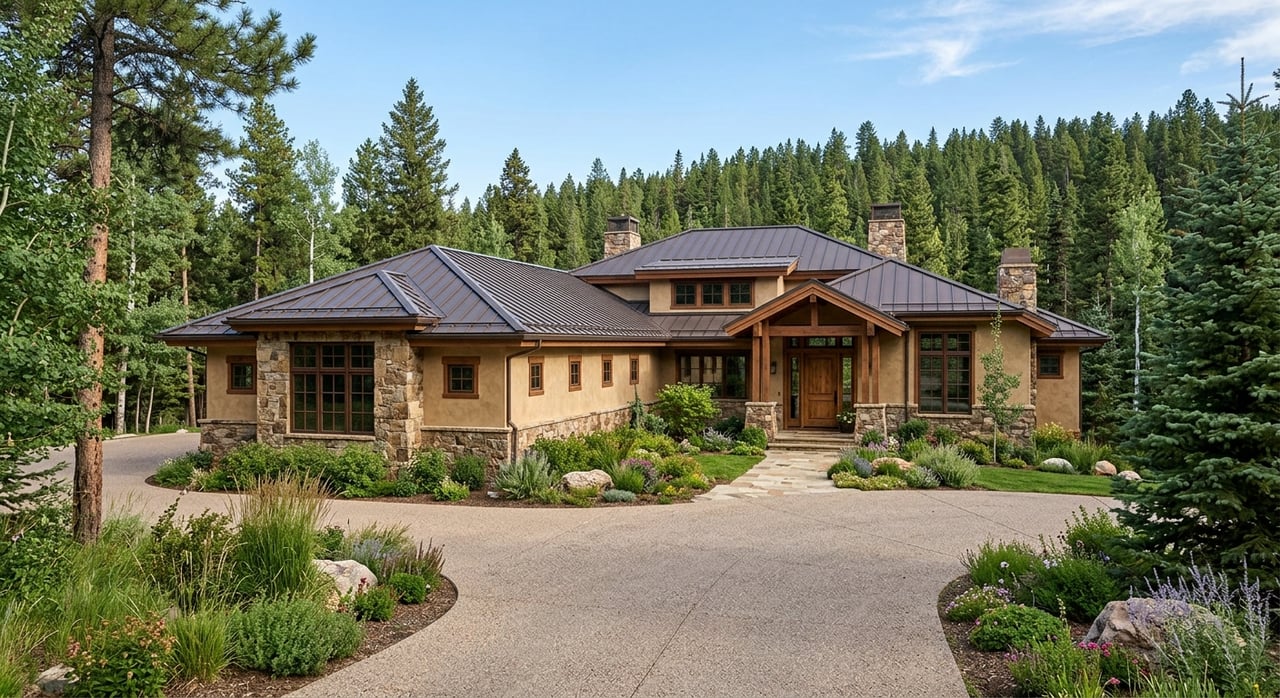
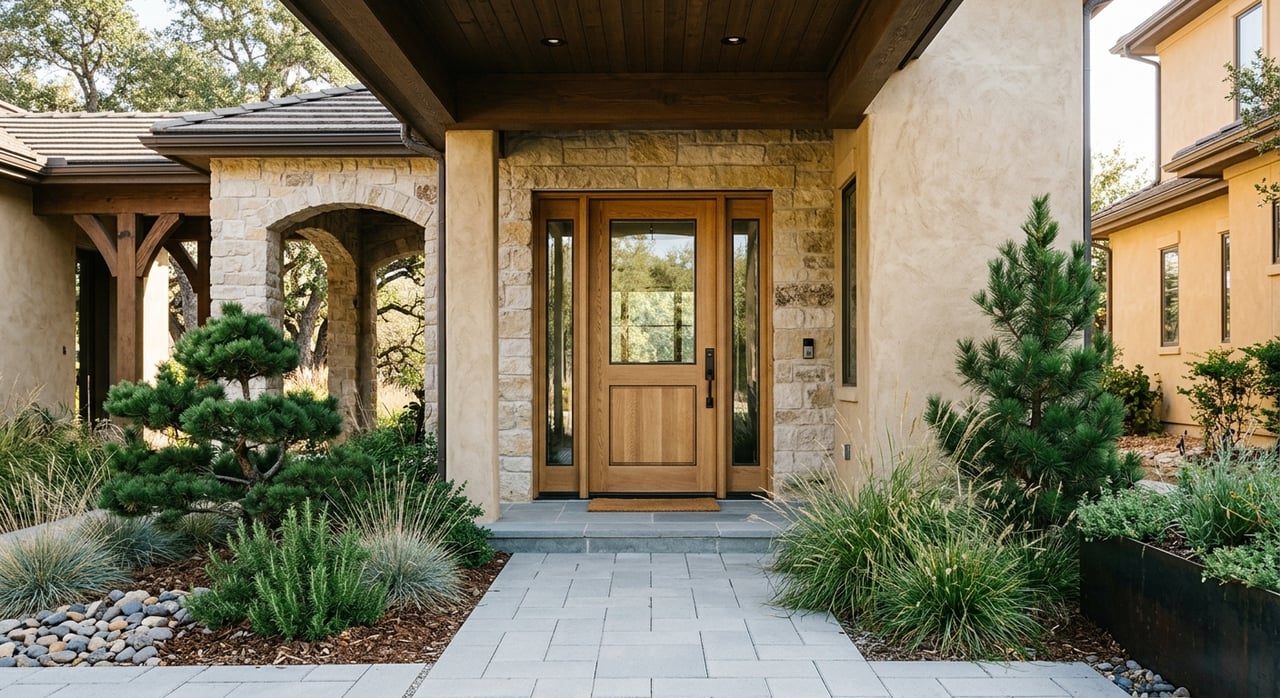
That long timeline matters because it explains why the area feels visually rich. You may see historic homes with original character, midcentury properties that have been thoughtfully updated, and newer luxury residences that borrow familiar Broadmoor cues such as stucco, stone, patios, and strong indoor-outdoor living.
For buyers, that means “Broadmoor style” is more of a collection than a single formula. For sellers, it means your home’s architectural identity is often part of a larger story about place, legacy, and how the property fits into Old Broadmoor’s evolving design tradition.
Mediterranean and Spanish Influences
One of the most recognizable Broadmoor looks is Mediterranean or Spanish-influenced design. That connection makes sense, since The Broadmoor itself opened with a Mediterranean-inspired look that included pink stucco and red tile roofing.
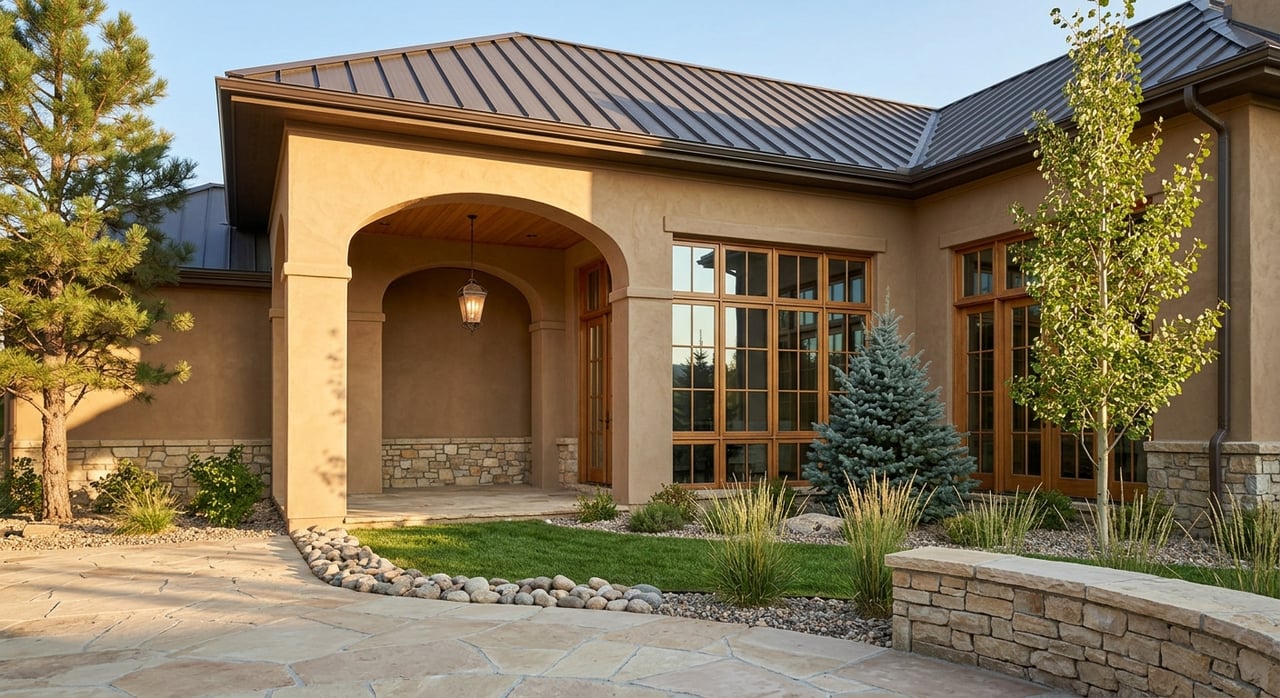
In residential architecture, this style often shows up through stucco walls, clay-tile roofs, arches, parapets, and a natural flow between interior and exterior spaces. In Old Broadmoor, these homes often feel especially suited to the setting because they pair formal architectural lines with relaxed outdoor living.
Key Features to Notice
If you are touring a Mediterranean, Spanish Colonial, or Mission-influenced home in Old Broadmoor, you may notice:
- Stucco exterior surfaces
- Red or clay tile roofing
- Arched windows, doors, or passageways
- Wrought-iron accents
- Courtyards, verandas, or sheltered patios
- Decorative tile or carved wood details
These homes often prioritize threshold spaces. Instead of treating the outdoors as separate, they create a series of transitions from interior rooms to patios, courtyards, and terraces.
Why This Style Works in Old Broadmoor
This design vocabulary fits the resort-adjacent character of the Broadmoor area. It supports a lifestyle centered on views, outdoor entertaining, and architectural drama without feeling overly formal.
For sellers, these homes often stand out when original materials and proportions have been preserved. For buyers, the appeal is usually a blend of warmth, privacy, and timeless curb presence.
Tudor and English Cottage Character
Another signature Broadmoor style is Tudor Revival, sometimes softened into an English cottage expression. This is one of the historic influences that gives parts of Old Broadmoor a distinctly established and storybook feel.
Tudor homes tend to read differently from Mediterranean homes. Where Mediterranean architecture opens outward, Tudor design usually feels more enclosed, more vertical, and more centered around the hearth.
Common Tudor Details
In Old Broadmoor, Tudor or English cottage-inspired homes may include:
- Steep gables and complex rooflines
- Mixed exterior materials such as brick, stucco, or stone
- Half-timber-style detailing
- Tall, narrow windows
- Recessed front entries
- Prominent chimneys
- Rich wood detailing inside
These homes often create a sense of intimacy and craftsmanship. The architecture draws your attention to texture, proportion, and masonry details rather than broad expanses of glass.
The Feel of Tudor Interiors
Inside, Tudor homes often lean into a more enclosed and grounded atmosphere. Fireplaces tend to be focal points, and finishes may include brick, stone, paneling, or leaded-glass elements.
That character can be especially compelling in Old Broadmoor, where mature surroundings and established streets complement homes with a strong sense of permanence. For buyers who value traditional architecture and detailed craftsmanship, this style often has lasting appeal.
Modern Mountain and Midcentury Influence
Broadmoor architecture also has a strong modern layer. This is especially important if you are evaluating homes that were built in the mid-1900s, significantly renovated, or designed more recently to maximize light, views, and connection to the landscape.
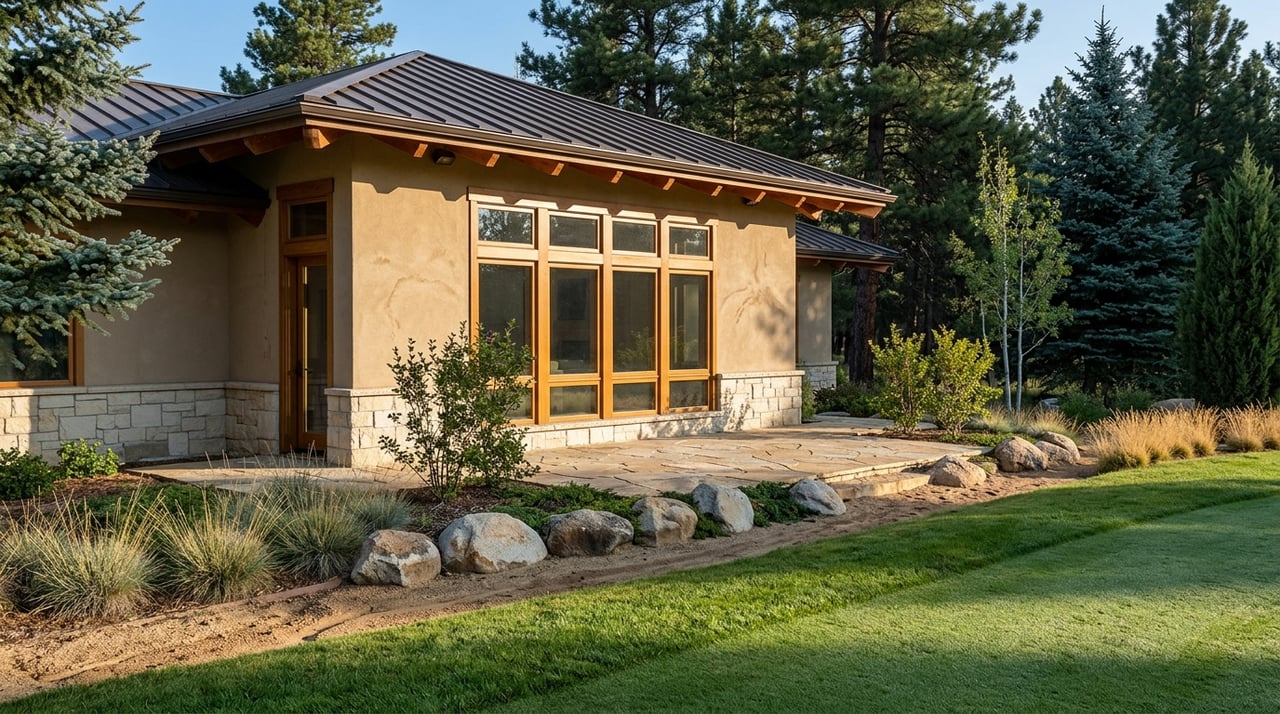
In Colorado Springs, modern design has long emphasized clean lines, minimal ornament, built-ins, and a strong relationship to the outdoors. In the Broadmoor area, that often translates into homes that open dramatically to Cheyenne Mountain or the surrounding foothills.
Defining Modern Broadmoor Features
You may see features such as:
- Open floor plans
- Floor-to-ceiling windows
- Flat or angular rooflines
- Glass atriums
- Pocket doors opening to patios
- Terraces and wraparound balconies
- Natural materials such as wood, slate, and stone
- Black metal or iron accents
These homes often feel lighter and more transparent than their historic counterparts. Rather than relying on ornament, they let site, view, and material contrast create the visual interest.
Why Buyers Respond to This Style
Modern mountain and updated midcentury homes often appeal to buyers who want architectural clarity and a seamless indoor-outdoor lifestyle. Large glass walls, broad terraces, and open gathering spaces can make the setting feel like part of the home itself.
In Old Broadmoor, that design approach can be especially effective on lots with foothill views, mature trees, or strong topography. When done well, the house does not compete with the landscape. It frames it.
Secondary Styles You May See
While Mediterranean, Tudor, and modern forms are among the most recognizable signatures, Old Broadmoor is not limited to those categories. Local market references also point to Colonial Revival influences, ranch homes, and newer custom contemporary residences.
That variety is part of the neighborhood’s appeal. It gives buyers more choice and allows sellers to position a home based on its specific architectural story rather than forcing it into a generic label.
What This Means in Practice
In real life, many Broadmoor homes blend influences. A house may have a traditional exterior with updated contemporary interiors, or a midcentury footprint with more transitional finishes and expanded outdoor living.
That is why architectural style in Old Broadmoor is often best understood through three lenses:
- Form: rooflines, massing, and symmetry
- Materials: stucco, brick, stone, wood, tile, and metal
- Lifestyle expression: courtyards, fireplaces, patios, balconies, and view-oriented rooms
How Style Shapes Daily Living
In Old Broadmoor, architecture is not just about appearance. It directly affects how a home lives day to day.
Mediterranean and Spanish-influenced homes often support entertaining through patios, verandas, and sheltered outdoor rooms. Tudor homes tend to create cozy gathering spaces with a more intimate interior rhythm. Modern mountain homes usually prioritize openness, light, and dramatic visual connections to the outdoors.
Floor Plans and Flow
If you are comparing homes, pay attention to how style affects movement and use:
| Style | Common Layout Feel | Typical Outdoor Connection |
|---|---|---|
| Mediterranean / Spanish | Defined rooms with graceful transitions | Courtyards, patios, verandas |
| Tudor / English cottage | More enclosed, hearth-centered spaces | Gardens, entries, smaller terraces |
| Modern mountain / contemporary | Open plans with long sightlines | Large patios, decks, glass walls |
These differences matter when you are thinking about entertaining, privacy, natural light, or aging in place. The right style for you is often the one that best matches how you want to live.
Renovation Matters in Old Broadmoor
Because Old Broadmoor includes older homes and some designated historic resources, renovation is not just a design question. It can also involve review requirements.
The City of Colorado Springs states that properties within the Historic Preservation Overlay may require additional review from the Historic Preservation Board for modifications, new construction, demolition, and even some re-roofing work. The city’s emphasis is on historically compatible change.
What Buyers and Sellers Should Keep in Mind
If you own or are considering a home in an overlay or historically sensitive context, it is smart to look closely at:
- Roofing materials and replacement needs
- Window and exterior trim changes
- Masonry and stucco repair
- Additions or exterior alterations
- Demolition or major redevelopment plans
State or National Register listing may also create opportunities for rehabilitation tax credits, but that does not automatically prevent alteration or demolition under local building rules. The practical takeaway is simple: before planning exterior work, confirm what review may apply.
Maintenance Is Part of Stewardship
In Old Broadmoor, long-term ownership often means caring for both architecture and site. That is especially true in foothill-adjacent areas where terrain, vegetation, and wildfire considerations can shape maintenance priorities.
The City has included Old Broadmoor in wildfire-related outreach, and a mitigation project borders the area. On hillside parcels, the Hillside Overlay requires approval before grading, vegetation removal, or structural alteration.
Protecting Style and Function
Maintenance in this setting is about more than preserving appearance. It can include:
- Keeping stucco, trim, and masonry in good condition
- Monitoring tile roofs or other style-specific roofing materials
- Preserving original windows or thoughtfully planning replacements
- Maintaining patios, verandas, and outdoor fireplaces
- Managing vegetation with safety and slope sensitivity in mind
For sellers, good stewardship can strengthen a property’s presentation and credibility. For buyers, understanding the home’s materials and site conditions helps you plan realistically for ownership.
Why Architectural Knowledge Helps You Buy or Sell
In a neighborhood like Old Broadmoor, architectural style is not a small detail. It influences buyer perception, renovation strategy, maintenance planning, and how a home is ultimately positioned in the market.
If you are buying, knowing the signature styles helps you quickly recognize what fits your lifestyle and what may require more specialized care. If you are selling, it helps shape pricing, presentation, and the story that makes your property stand out to the right buyer.
In a market where design, setting, and legacy often intersect, local context matters. Working with someone who understands how Old Broadmoor homes have evolved over time can make a real difference in how confidently you move forward.
If you are considering a purchase or preparing to sell in Old Broadmoor, Trish Ingels offers the neighborhood perspective, discretion, and boutique guidance that serious Broadmoor buyers and sellers value.
FAQs
What architectural styles are most common in Old Broadmoor homes?
- Old Broadmoor is known for Mediterranean or Spanish-influenced homes, Tudor or English cottage designs, and modern mountain or midcentury-influenced residences, along with some Colonial Revival, ranch, and newer custom contemporary homes.
What features define Mediterranean-style homes in Old Broadmoor?
- Mediterranean-style homes in Old Broadmoor often include stucco exteriors, clay-tile roofs, arches, wrought-iron details, and outdoor living spaces such as courtyards, verandas, and patios.
What makes Tudor-style homes in Old Broadmoor distinctive?
- Tudor-style homes in Old Broadmoor often feature steep gables, mixed materials like brick and stone, tall narrow windows, prominent chimneys, and interiors that feel more hearth-centered and detailed.
What should buyers know about modern Broadmoor homes?
- Modern Broadmoor homes often emphasize open floor plans, large expanses of glass, strong indoor-outdoor connections, natural materials, and views of the surrounding foothills or Cheyenne Mountain.
What renovation rules may affect Old Broadmoor properties?
- Some Old Broadmoor properties may fall within the City of Colorado Springs Historic Preservation Overlay, where exterior changes, new construction, demolition, or re-roofing may require additional review for historically compatible design.
What site factors matter for maintaining a Broadmoor home?
- In Old Broadmoor, maintenance may involve not only the home’s architectural materials but also wildfire awareness, vegetation management, hillside conditions, and outdoor-space upkeep.