If you are drawn to neighborhoods with real character, Old North End stands out right away. This is one of those places where mature trees, historic homes, and wide streets create a setting that feels established and distinct. If you are wondering whether the lifestyle matches your priorities, this guide will help you understand what daily life here really looks like. Let’s take a closer look.
Old North End at a Glance
Old North End sits just north of downtown Colorado Springs and Colorado College, with the historic district roughly a mile north of downtown. It is widely known as a preservation-minded residential area with landscaped medians, mature trees, and a strong sense of neighborhood identity.
This is not a neighborhood built around newness. Instead, it appeals to people who appreciate legacy, architecture, and the feeling of living somewhere with a long story. The neighborhood association represents more than 1,800 households, and historic-district materials note that the expanded district includes 997 properties.
Historic Character Shapes Daily Life
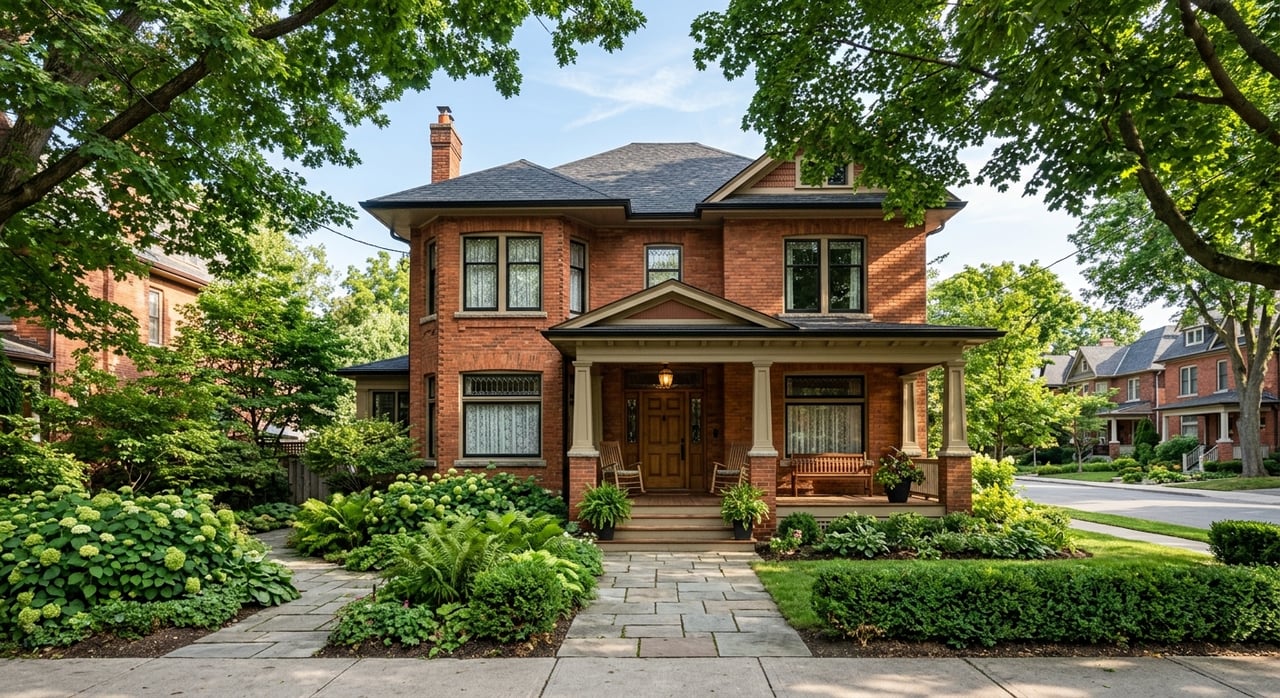
One of the first things you notice in Old North End is the architecture. The housing stock is tied closely to late-19th- and early-20th-century development, with Victorian homes, Craftsman houses, bungalows, and American Colonial influences all part of the mix.
That character does more than create curb appeal. It shapes how the neighborhood feels as you move through it, from shaded streets to homes with architectural details that are harder to find in newer areas. If you value originality and a strong visual identity, that is a major part of the appeal.
Preservation Is Part of Ownership
In Old North End, preservation is not just a label. The neighborhood is part of a historic preservation framework, and exterior work in the Historic Preservation Overlay zone can require review through the Historic Preservation Board under local design guidelines and standards.
For you as a buyer, that means living here can come with an added layer of stewardship. Many people see that as a positive because it helps protect the neighborhood’s architectural continuity. It is especially well suited for buyers who are comfortable caring for an older home and appreciate the value of preserving its character.
No HOA, But Strong Neighborhood Identity
Another point that often surprises buyers is that the neighborhood association is volunteer-run and is not an HOA. That means property owners are not subject to HOA dues.
Even without an HOA structure, the area has a clear community identity. The neighborhood’s long-standing commitment to preservation and participation creates a sense of shared care that many residents value.
Walkability and Access
Old North End offers a central location with a more residential feel than downtown, while still staying closely connected to it. City planning documents identify this area as part of a historic-neighborhood pattern where walkability features like gridded streets, wide sidewalks, and limited setbacks remain a priority.
For many residents, that translates into a lifestyle where walks, bike rides, and short drives are part of the routine. You can enjoy a neighborhood atmosphere without feeling cut off from the city center.
Monument Valley Park Adds Outdoor Space
Monument Valley Park is one of the neighborhood’s biggest lifestyle assets. The park covers 153.4 acres and includes walking and biking paths, ponds, picnic shelters, restrooms, a pool, tennis and pickleball courts, and access to the Pikes Peak Greenway Trail.
That gives you a substantial outdoor amenity right alongside the neighborhood experience. Whether you like a morning walk, a bike ride, or easy access to green space, the park plays a big role in what it feels like to live here.
Dining and Culture Nearby
Old North End itself is primarily residential, but one of its advantages is how close it is to downtown activity. Just south of the neighborhood, the Tejon Corridor is known for shopping, restaurants, and coffee spots.
Nearby dining options highlighted in the area include Poor Richard’s, Urban Egg, Red Gravy, Odyssey Gastropub, Jack Quinn’s, Jax Fish House, and Jose Muldoon’s. In the broader area north of downtown, Evergreen Restaurant, Whistle Pig Brewery, Good Neighbors Meeting House, and Dale Street Bistro Café also add to the local mix.
Cultural Anchors Close to Home
Daily life here is also shaped by nearby institutions and cultural destinations. Colorado College, the Fine Arts Center at Colorado College, the McAllister House Museum, and the Money Museum all contribute to the area’s sense of place.
For you, that can mean easy access to exhibits, events, campus energy, and local history without needing to plan a long outing. It adds depth to the neighborhood beyond the homes themselves.
A Social, Neighborly Rhythm
Old North End tends to feel participation-driven rather than anonymous. According to neighborhood materials, residents take part in annual family activities, block parties, coffee meet-ups, and holiday decorating.
That does not mean every street feels busy all the time. In general, the pattern is quieter and more residential than downtown, but with regular moments of connection that help the neighborhood feel engaged and lived in.
Trade-Offs to Know Before You Move
Every neighborhood has strengths and compromises, and Old North End is no exception. Its charm comes with realities that are important to understand before you buy.
Because this is an older, central neighborhood, parking, traffic congestion, pedestrian safety, and noise have all been part of ongoing city discussions. If you want abundant front-door parking or a more car-oriented layout, this may not be the easiest fit.
Older Homes Need the Right Mindset
Historic homes often bring beauty and individuality, but they may also require more upkeep than newer construction. If your goal is a low-maintenance home with all-modern systems and finishes, Old North End may feel less convenient than newer neighborhoods.
On the other hand, if you see value in craftsmanship, established streetscapes, and homes with architectural presence, these trade-offs may feel worthwhile. A lot depends on what kind of ownership experience you want.
Who Old North End Fits Best
Old North End is often a strong fit if you want a neighborhood that combines historic architecture, a walkable setting, and close access to downtown Colorado Springs. It works especially well for buyers who appreciate preservation, mature landscaping, and a residential environment with a strong identity.
It may be less ideal if your top priorities are brand-new construction, minimal maintenance, or easy everyday parking right at the door. In simple terms, this neighborhood tends to reward buyers who value place, continuity, and character.
What Living Here Feels Like
In practical terms, life in Old North End often looks like this: a walk through Monument Valley Park in the morning, a meal or coffee near downtown later in the day, and evenings spent at home on a porch, at a neighborhood gathering, or at a nearby cultural venue.
That blend is what gives the neighborhood its appeal. You get a residential setting with history and greenery, but you are still closely tied to the energy and amenities of central Colorado Springs.
If you are considering Old North End, it helps to have guidance from someone who understands how Colorado Springs neighborhoods differ in character, lifestyle, and long-term value. For a private conversation about buying or selling in this part of the market, connect with Trish Ingels.
FAQs
What is Old North End like in Colorado Springs?
- Old North End is a historic residential neighborhood just north of downtown Colorado Springs, known for mature trees, landscaped medians, and a strong identity centered on preservation and historic homes.
Is Old North End walkable for daily life?
- Old North End is known for gridded streets, wide sidewalks, and a central location that supports walking and easy access to Monument Valley Park and nearby downtown destinations.
Are there HOA dues in Old North End?
- No. The neighborhood association is volunteer-run and is not an HOA, so property owners are not subject to HOA dues.
What kinds of homes are in Old North End?
- The neighborhood features mostly late-19th- and early-20th-century homes, including Victorian houses, Craftsman homes, bungalows, and American Colonial influences.
Does Old North End have historic preservation rules?
- Yes. Exterior work in the Historic Preservation Overlay zone can require local review, and North End design guidelines and standards help guide those decisions.
What are the trade-offs of living in Old North End?
- Buyers should be aware that parking, traffic congestion, pedestrian safety, and noise have been ongoing discussion points, and older homes may require more upkeep than newer construction.