Buying a historic home in Old North End can feel exciting and a little intimidating at the same time. You may be drawn to the architecture, mature trees, and established streetscape, but you also want to know what comes with owning a property in one of Colorado Springs’ most recognizable historic areas. This guide will help you understand what to verify, what to inspect, and what to plan for before you move forward. Let’s dive in.
Why Old North End Stands Out
Old North End is a primarily residential historic district about one mile north of downtown Colorado Springs. The district includes homes built from the late 1800s through the mid-1900s, and it retains a high degree of historic integrity.
What makes the area distinctive is not just the houses themselves. The neighborhood’s historic character also includes the street grid, sidewalks, medians, alleys, parkways, mature trees, and plantings. For you as a buyer, that can affect how a lot functions and what kinds of exterior changes may be reviewed later.
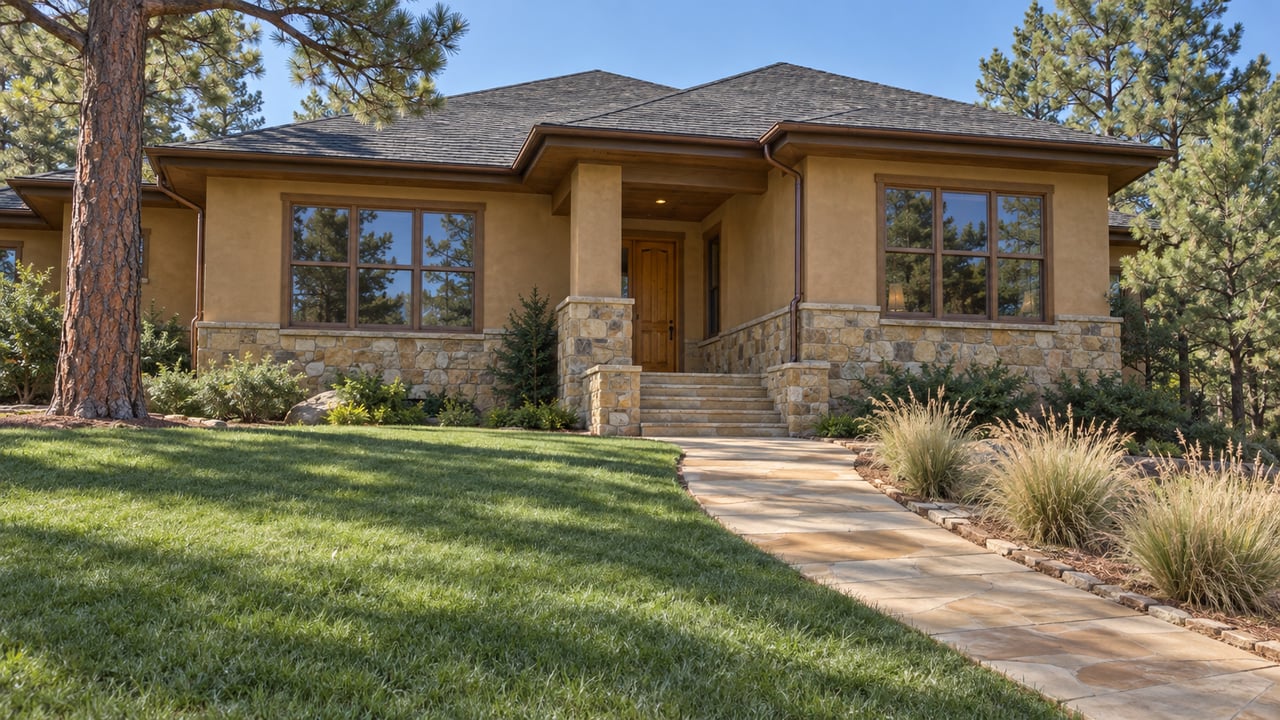
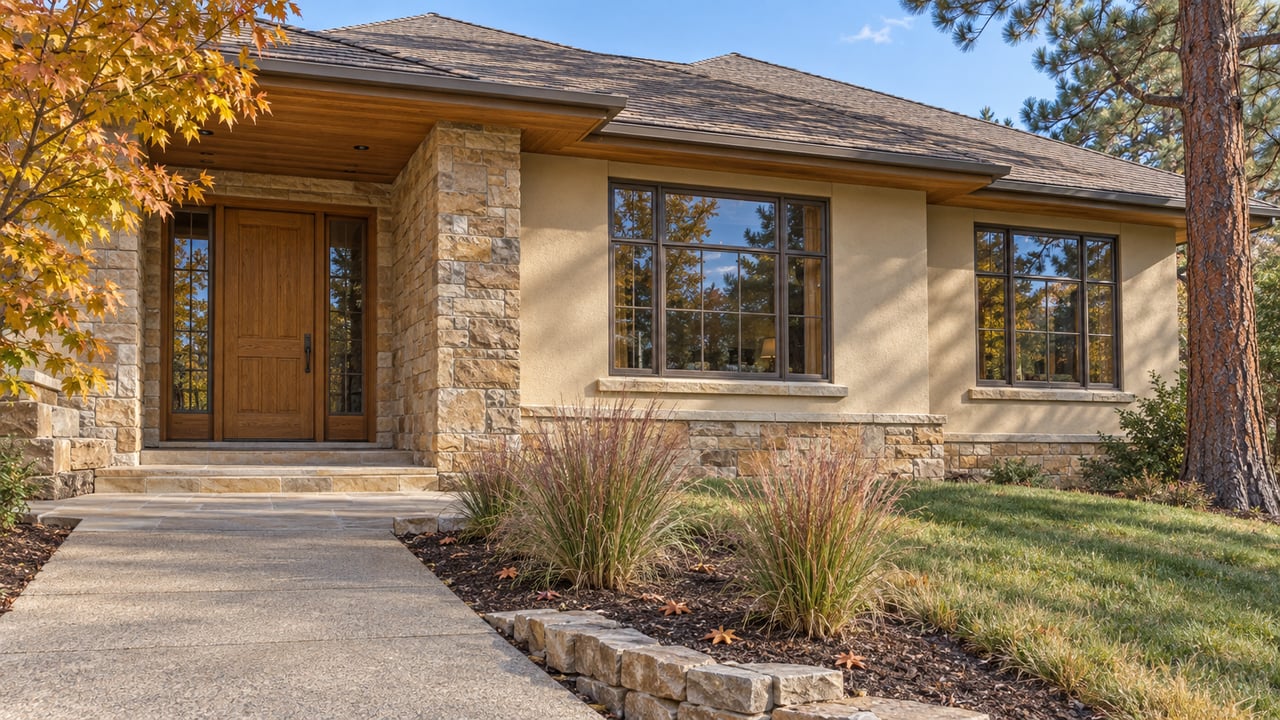
Architecturally, the neighborhood has visual variety. Common styles and materials include Queen Anne, Edwardian, Craftsman, bungalow forms, lap siding, wood shingles, and stucco. That mix gives Old North End its layered, established feel while still reading as historically compatible.
Verify Historic Status First
One of the most important steps is to confirm the specific status of the property you want to buy. In Old North End, you should not assume every home is subject to the exact same historic rules just because it is in the neighborhood.
Colorado Springs uses historic preservation overlay zoning. Properties within the historic preservation overlay may need additional review before construction or modification, and the city’s process states that the Historic Preservation Board reviews requests before an owner can obtain a building permit.
That review process can apply to modifications to existing structures, new structures, and demolition. Re-roofing follows a separate Report of Acceptability process. In practical terms, this means your plans for improvements may involve an approval step that would not apply to a similar home outside the overlay.
It also helps to understand that National Register status and local overlay status are not the same thing. According to History Colorado, listing on the National or State Register may create eligibility for certain tax credits and grants, but listing alone does not automatically protect a property from alteration or demolition under private ownership and private funding. That is why parcel-specific verification matters.
Understand What Future Changes May Require
If you are buying a historic home, you are also buying into a framework for stewardship. That does not mean you cannot improve the home, but it does mean that visible changes often need thoughtful planning.
The city uses the North End Historic District Design Standards for review, and the Old North End Interpretive Guide is intended to help owners and contractors apply those standards. Buyers who expect to renovate should factor this into both timeline and budget early.
Projects that often deserve extra review and planning include:
- Exterior modifications to existing structures
- New additions or accessory structures
- Demolition proposals
- Re-roofing work
- Placement of visible mechanical equipment
- Changes that affect porches, windows, or streetscape-facing elements
For many buyers, this is less about restriction and more about clarity. When you know the review process upfront, you can make better decisions before you write an offer or commit to a renovation plan.
Focus on Windows, Porches, and Foundations
Older homes often have charm in the exact places that also need the most careful inspection. In Old North End, windows, porches, masonry, and foundations deserve special attention.
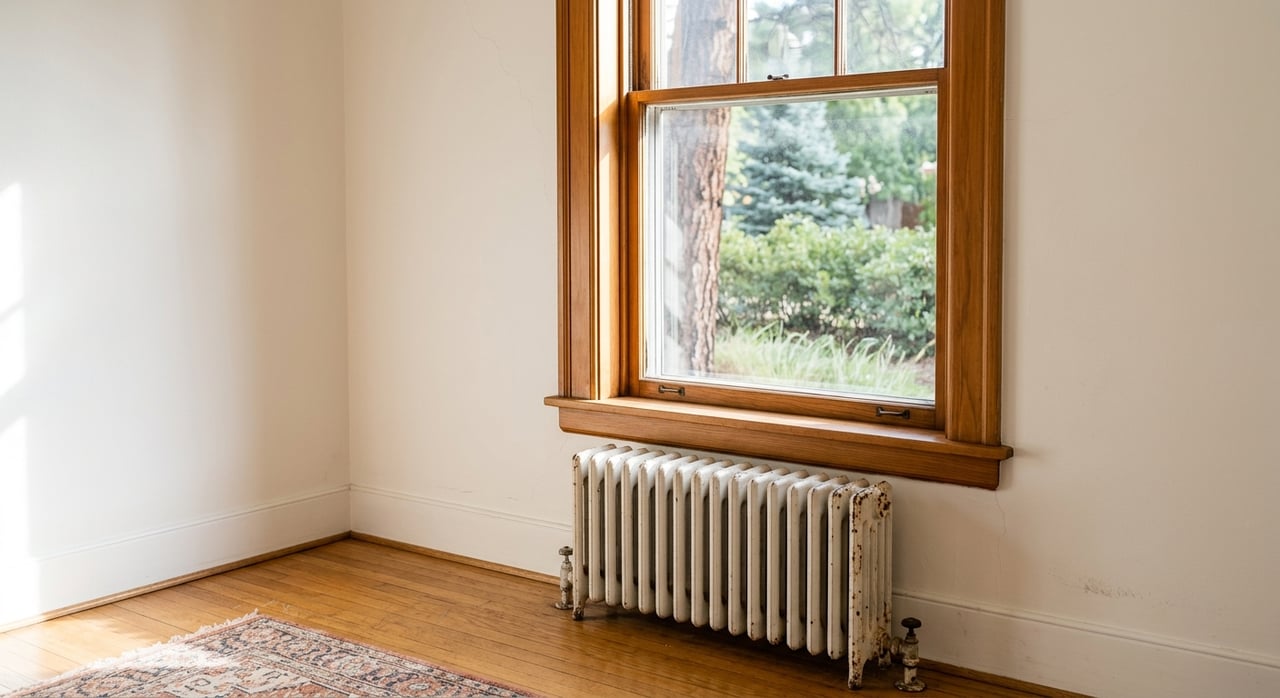
The local guide strongly favors repairing historic windows rather than replacing them. When replacement is necessary, the recommendation is to match original material, size, jamb profile, and appearance, while avoiding vinyl windows. The guide also notes that weather-stripping and storm windows can improve performance without changing historic character as much as full replacement.
Porches matter too because they shape the front-facing appearance of the house. The guide recommends preserving and rehabilitating historic porches, columns, and railings, and it cautions against enclosing open porches or adding details that do not fit the home’s style and era.
Masonry and foundations should be approached carefully. The guide recommends gentle cleaning for brick and stone, warns against sandblasting, and advises using mortar that matches the strength of the original masonry. It also states that historic foundations should be maintained rather than casually replaced.
Think Beyond Cosmetic Updates
Historic homes often need a different mindset than newer properties. A simple refresh in another neighborhood may be more complex here because materials, visibility, and design compatibility matter.
Roof work is a good example. The guide states that roof-mounted mechanical equipment, skylights, and solar collectors should be placed where they are least visible and screened when possible. It also recommends that solar panels sit below the roof ridgeline and, when feasible, on rear roof areas.
Additions also require care. The guide says additions should be subordinate to the original building, usually placed at the rear or on secondary elevations, and designed so they do not overwhelm the historic massing of the home.
Demolition carries even more scrutiny. The guide describes demolition as irreversible and harmful to the historic streetscape character, which is important to know if you are considering a major redevelopment approach rather than a restoration-minded purchase.
Pay Attention to Parking and Alley Access
One practical surprise for buyers in Old North End is parking configuration. Many properties do not have front driveways because garages and carriage houses are commonly accessed from the alley.
That can be part of the neighborhood’s appeal, but it also changes how you evaluate day-to-day function. You may want to confirm alley condition, garage access, turning space, and how deliveries or guests typically approach the property.
The interpretive guide advises against adding new street-access driveways that would disrupt parkways and curb patterns. If front parking is important to you, it is smart to understand what already exists and what may or may not be realistic later.
Prioritize Health and Safety Testing
A historic home purchase should include more than a standard visual walk-through. Older housing stock brings additional health and safety considerations that deserve specific due diligence.
If the home was built before 1978, lead-based paint may be present. The EPA states that about three-quarters of U.S. homes built before 1978 contain some lead-based paint, and renovation work can create dangerous lead dust. The EPA also requires that anyone paid to disturb painted surfaces in these homes be certified and trained in lead-safe work practices.
Radon testing is especially important in Colorado. The Colorado Department of Public Health and Environment says radon is found at elevated levels in one out of every two Colorado homes, and it encourages buyers to test during the inspection process, usually at the lowest inhabitable level or in an unfinished basement during a real estate transaction.
A strong due diligence team often includes:
- A preservation-aware home inspector
- A licensed radon professional
- Contractors with direct experience in older materials
- Lead-safe certified renovation professionals for pre-1978 work
Ask Smart Questions About Incentives and Costs
Historic homes can come with opportunities, but you should verify details before you rely on them financially. Tax incentives may exist for some rehabilitation or restoration work, but they are not automatic.
The City of Colorado Springs notes that rehab and restoration work on historic properties may be eligible for a Colorado state income tax credit. History Colorado also says National and State Register properties may be eligible for investment tax credits for approved rehabilitation projects.
At the same time, the National Park Service states that the federal 20% rehabilitation tax credit applies to income-producing properties, not owner-occupied residential homes. If you are buying a primary residence, that distinction matters. Before you count on any incentive, confirm eligibility with a qualified tax professional.
Build the Right Plan Before You Buy
The best historic-home purchases usually begin with clear expectations. Before making an offer, think through not just whether you love the house today, but also whether you are comfortable with the likely care, review process, and long-term upkeep that can come with ownership.
A practical pre-offer checklist can help:
- Verify parcel-specific historic overlay status
- Review likely approval needs for your planned changes
- Evaluate windows, porches, masonry, and foundation condition
- Confirm roof and visible equipment issues
- Understand alley access and parking layout
- Test for radon during inspections
- Plan for lead-safe renovation practices if applicable
- Ask about possible tax-credit eligibility before budgeting around it
In a neighborhood like Old North End, informed buying is key. With the right guidance, you can move forward with confidence and appreciate both the beauty and the responsibility that come with a historic property.
If you are considering a home purchase in Old North End and want experienced, neighborhood-focused guidance, request a private consultation with Trish Ingels. Her boutique approach and deep Colorado Springs market knowledge can help you evaluate distinctive properties with clarity and care.
FAQs
What makes a home in Old North End historic?
- Old North End is a residential historic district known for homes built from the late nineteenth century through the mid-twentieth century, along with character-defining features such as sidewalks, medians, alleys, parkways, trees, and plantings.
Do all Old North End homes have the same historic restrictions?
- No. You should verify the parcel-specific historic preservation overlay status because National Register listing and local overlay zoning are not the same thing.
What renovations on an Old North End home may need review?
- In properties within the historic preservation overlay, modifications to existing structures, new structures, and demolition proposals go through review, while re-roofing follows a separate city process.
What should I inspect first in an Old North End historic home?
- Pay close attention to historic windows, porches, masonry, foundations, roof-related elements, and any visible exterior features that may affect both condition and future approvals.
Why is parking different at some Old North End homes?
- Many properties use alley access for garages and carriage houses rather than front driveways, which reflects the neighborhood’s historic layout and streetscape patterns.
Should I test for radon when buying a home in Old North End?
- Yes. Colorado health guidance says radon is found at elevated levels in one out of every two Colorado homes, and buyers are encouraged to test during the inspection process.
Can I count on tax credits when buying a historic home in Old North End?
- No. Some rehabilitation or restoration work may qualify for certain incentives, but eligibility is not automatic and should be verified with a tax professional before you rely on it.