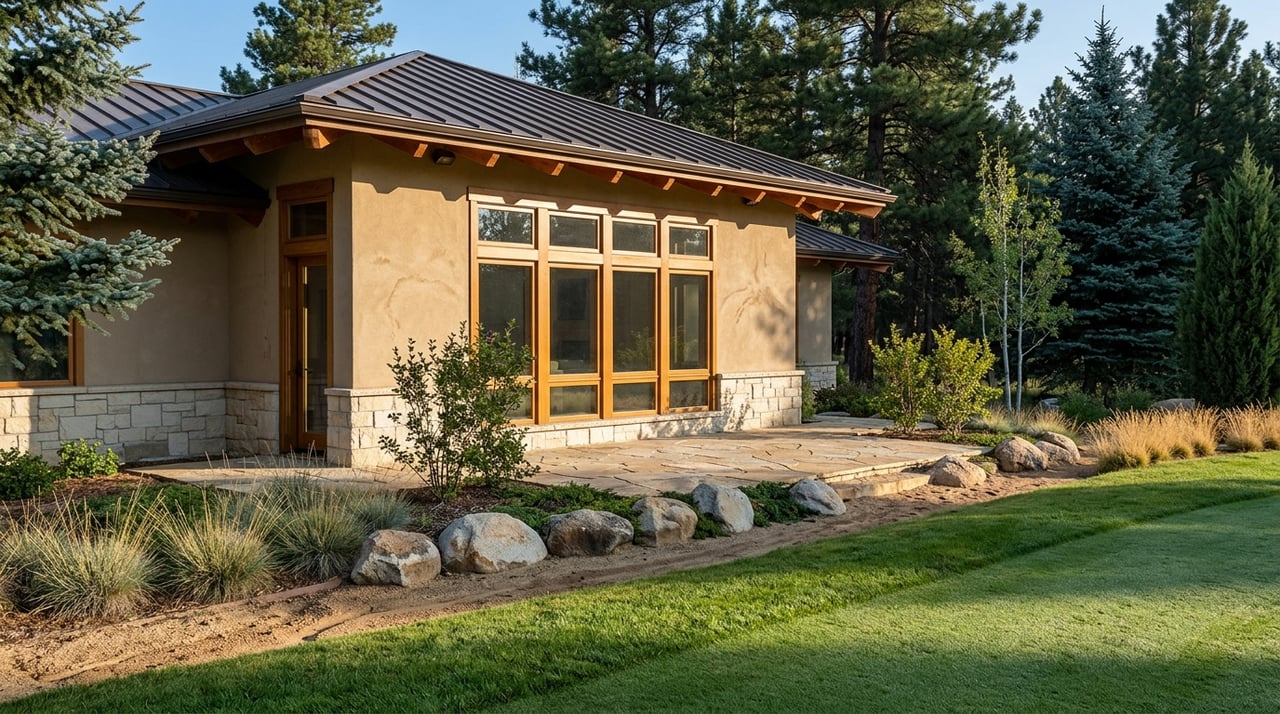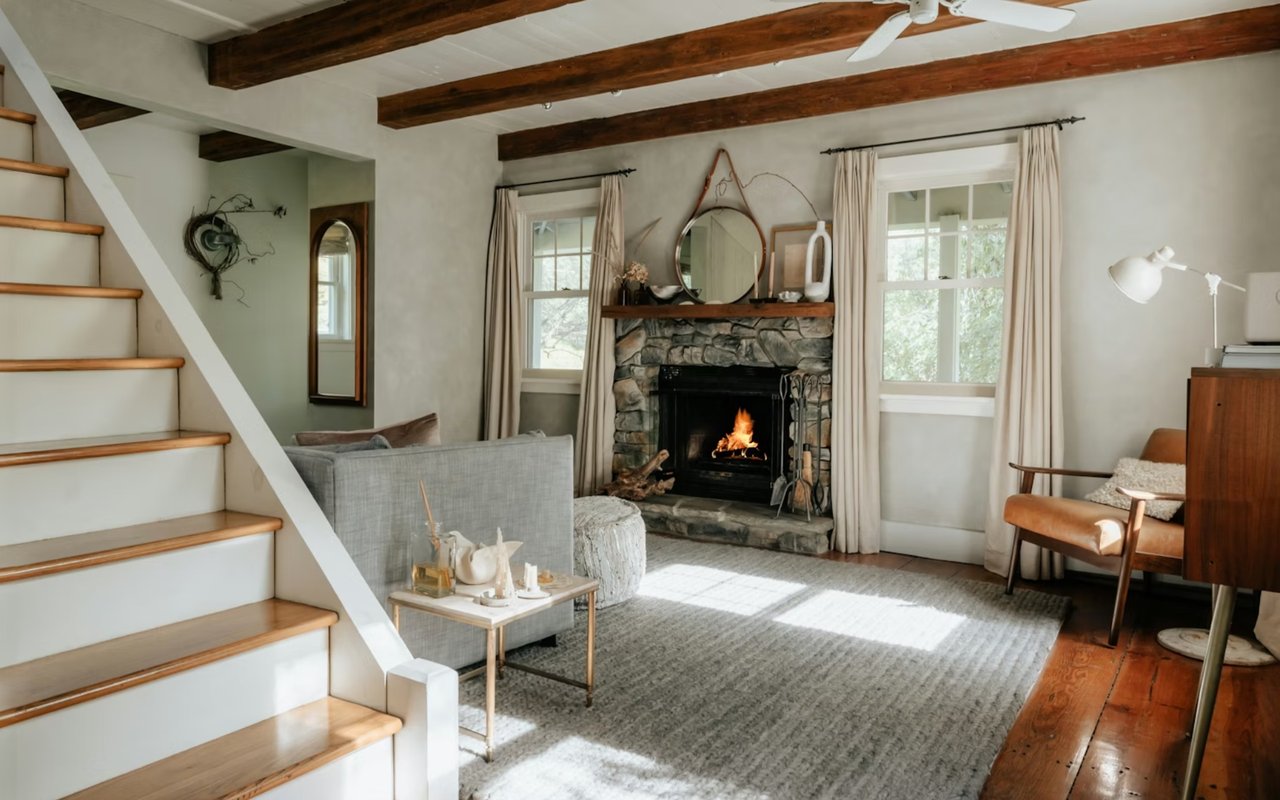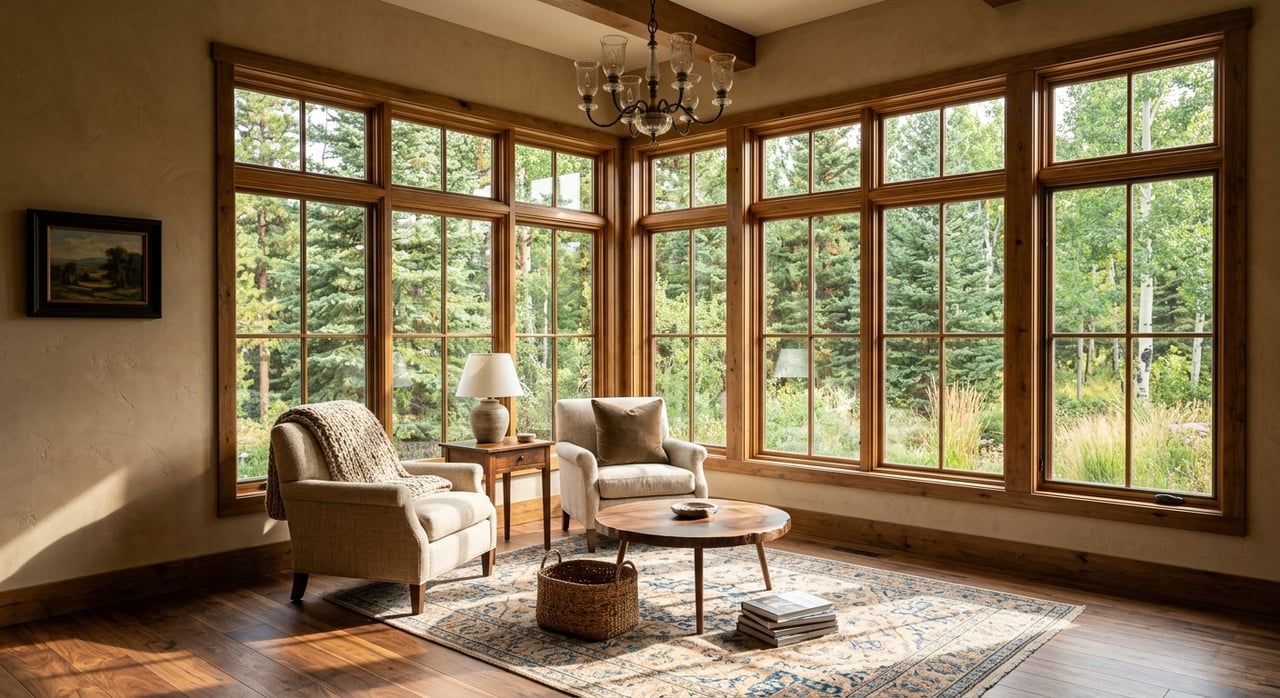
Wondering if you can still build a custom home in Flying Horse? The short answer is yes, but the path looks different than it did years ago. If you want to build with confidence, it helps to understand where lot opportunities remain, how approvals work, and what to expect from the process before you commit. Let’s dive in.
Why Flying Horse Still Appeals
Flying Horse is one of north Colorado Springs’ best-known master-planned communities, located about 1.5 miles east of I-25 between Interquest Parkway and North Gate Blvd. The community is known for its golf-resort setting, with two 18-hole championship golf courses, a private athletic club and spa, clubhouse dining, and lodging.
For many buyers, the appeal is not just the home itself. It is the combination of established surroundings, planned amenities, and a community structure that supports a polished overall environment. If you are building a custom home, that context matters because your lot, home design, and ownership experience are all tied together.
Where Custom Build Opportunities Are
A key point for buyers is that much of Flying Horse is already established. According to the metro district, the neighborhood includes 1,975 homes built between 2005 and 2024, which suggests that the original core of the community is largely built out.
Today, custom build opportunities are concentrated in Flying Horse North. The official community information highlights custom acreage homesites and active lot sales there, making it the main area to explore if your goal is to design and build rather than purchase an existing home.
Flying Horse North Lot Activity
The official lot-sales information points buyers toward an interactive lot map and a sales process for new releases, pricing, reservations, and the move from interest to ownership. That means your first decisions often start with the homesite, not just the floor plan.
This matters because the lot can shape everything that follows. Slope, orientation, access, and utility routing can affect the design, engineering, foundation approach, and permitting timeline.
Builders Currently Featured
The official Flying Horse North builders page currently features:
- Alliance Builders
- Classic Homes
- Goetzmann
- Saddletree Homes
- Vantage Homes
These builders do not all approach the process in the same way. Some emphasize a fuller design-build model, while others offer more structured plans, engineering, pricing, and option packages. If you are deciding between them, it helps to compare not only style but also how much customization you want and how involved you plan to be.
How the Custom Build Process Works
Building a custom home in Flying Horse is best understood as a phased project. It is not a single transaction with one closing date and a simple checklist.
In most cases, the process begins with team selection, design planning, surveying, soils or engineering review, utility coordination, financing, contract work, and permit submission. From there, construction typically moves through site work, foundation, framing, rough-ins, exterior work, interior finishes, final sitework, closeout, and move-in.
Start With the Lot
In Flying Horse North, lot selection should come before you lock in a final design. The homesite can influence how the home sits on the land, what kind of foundation is needed, and how utilities and access are handled.
That is one reason custom-home buyers benefit from evaluating the lot, builder, and plan together. A beautiful floor plan on paper may need meaningful changes once it is matched to a specific site.
Expect Two Approval Tracks
One of the most important things to understand is that approvals in Flying Horse can happen on more than one level. A new home project requires permitting through the Pikes Peak Regional Building Department, and most construction projects also require plan review before a permit is issued.
At the same time, Flying Horse has HOA architectural review tied to community design guidelines. In practical terms, you may be navigating both a public permitting process and a separate community design-review process before construction can move ahead.
Construction Takes Time
Once building begins, the sequence usually runs from site prep and foundation through framing, rough-ins, exterior finishes, interior finishes, and final sitework. The final stage often includes cleaning, punch-list items, orientation walkthroughs, and move-in preparation.
For general timing context, the National Association of Home Builders reported that the average time to complete a single-family home in the U.S. was 10.1 months in 2023. Custom homes often take longer because they involve more design choices, more coordination, and site-specific details.
Governance and Services to Understand
When you build in Flying Horse, you are not just choosing a homesite. You are also buying into a community with layered governance and service responsibilities.
The HOA board handles covenant enforcement and architectural review. The metro district notes that the City of Colorado Springs owns and maintains most streets, the district maintains parks and open-space landscaping, and the HOA provides weekly trash and bi-weekly recycling.
Utilities and Local Services
Colorado Springs Utilities serves water, electricity, and natural gas in the community. During a custom build, utility coordination can become part of your timeline, especially when site conditions or routing affect design and scheduling.
Snow service is another local detail worth noting. According to the metro district, the city plows only streets on the school-bus route, the district handles park and open-space sidewalk plowing, and homeowners are responsible for their own lot sidewalks.
Community Documents Matter
Because Flying Horse is covenant-controlled, the governing documents are a practical part of the buying and building process. The HOA website is gated, so buyers should expect to review documents through the portal rather than through a public brochure.
That is important when you are trying to understand design expectations, review procedures, and the standards that could affect your plans. In a custom build, small details can matter early.
Budget Beyond Construction Costs
Many buyers focus first on land cost, builder pricing, and finishes. Those are major budget items, but they are not the whole picture.
Flying Horse owners should also plan for ongoing public-entity taxes. The metro district reports that Flying Horse is serviced by six governmental entities, and its 2025 combined mill levy is 110.235. Since mill levies can change annually, this should be treated as a current reference point, not a permanent fixed number.
Carrying Costs During the Build
Construction financing works differently from a standard purchase mortgage. Construction loans are usually short-term, and funds are typically released in stages as the build progresses.
Some loans may later convert to a conventional mortgage, but buyers still need to plan for carrying costs during the construction period. That is especially important if your timeline extends beyond the initial estimate or if you are carrying another home at the same time.
Contract Details You Should Clarify Early
A custom-home contract should be specific and thorough. Before you move forward, make sure you understand what is included in the base price, what falls under allowances, and how overages are approved.
You will also want clarity on permit responsibility, how and when change orders are triggered, when construction draws are paid, and what warranty applies after closing. In custom construction, clear documentation helps reduce confusion later.
Change Orders Can Affect Time and Cost
Plan changes during construction may feel minor in the moment, but they can affect permits, schedule, and budget. This is especially important in a community where design review and permit requirements are part of the process.
The Pikes Peak Regional Building Department cautions that work performed without required permits can trigger a stop-work order and may complicate resale or closing. That is why design changes should be documented promptly and reviewed through the right channels.
Is Building in Flying Horse the Right Fit?
If you want a custom home in an established luxury community with current lot opportunities, Flying Horse can still be a strong fit. The best opportunity appears to be in Flying Horse North, where custom acreage homesites and active lot sales remain available.
The right fit depends on your priorities. If you value lot selection, design involvement, and a more tailored end product, building may be worth the extra time and decision-making. If you prefer certainty on timing and finish level, an existing home may be the simpler path.
For many luxury buyers, the smartest first step is not choosing finishes. It is building the right advisory team around the lot, builder, contract, and long-term ownership picture from the start.
If you are considering a custom build in Flying Horse and want experienced, discreet guidance on homesites, builder coordination, and luxury market positioning, connect with Trish Ingels.
FAQs
Can you still build a custom home in Flying Horse?
- Yes. Current custom-build opportunities are primarily in Flying Horse North, where the community highlights custom acreage homesites and active lot sales.
What approvals are required for a custom home in Flying Horse?
- A new home typically requires permitting and plan review through the Pikes Peak Regional Building Department, and Flying Horse also has HOA architectural review for compliance with community design guidelines.
Which builders are featured in Flying Horse North?
- The official builders page currently features Alliance Builders, Classic Homes, Goetzmann, Saddletree Homes, and Vantage Homes.
How long does a custom home build usually take in Flying Horse?
- Timelines vary, but custom homes often take longer than standard new homes because they involve more design decisions, site-specific work, and coordination. For general context, the average U.S. single-family build time reported in 2023 was 10.1 months.
What ongoing costs should buyers consider in Flying Horse?
- Beyond construction and lot costs, buyers should review HOA-related obligations, utility coordination, and public-entity taxes. The metro district lists a 2025 combined mill levy of 110.235, which may change from year to year.
Why does lot selection matter for a custom home in Flying Horse?
- The lot can influence home design, foundation needs, access, utility routing, and permitting. That is why buyers should evaluate the lot, builder, and plan as one decision rather than three separate choices.