By Trish Ingels
The Broadmoor area of Colorado Springs is known for its stunning backdrop of the Front Range, its stately homes, and a sense of refined permanence that sets it apart from newer developments scattered across the region. Whether you live on a quiet street or in one of the established neighborhoods, your home likely carries an architectural character worth honoring. The challenge, for many homeowners, is updating and personalizing that space without accidentally dating it.
Timeless design is not about playing it safe or avoiding personality. It is about making deliberate choices that will feel equally right five years from now as they do today. In the Broadmoor area, where homes tend to be substantial and surroundings tend to be spectacular, that balance matters more than in almost any other Colorado Springs neighborhood. The right design decisions elevate your property, improve your daily experience, and protect its long-term value.
This guide walks through the principles and practical applications that define truly enduring home design, with an eye toward what works best in the Broadmoor context. Whether you are planning a full renovation, refreshing a few key rooms, or simply rethinking your approach to décor, these timeless design tips will serve you well.
Key Takeaways
- Neutral, nature-inspired color palettes anchor a home visually and work across decades without feeling outdated.
- Quality materials and craftsmanship consistently outperform trendy finishes when it comes to longevity.
- The architectural style of your Broadmoor home should guide, not limit, your interior design choices.
- Proportion, scale, and light are the foundational principles of every room that feels "right."
- Thoughtful outdoor design connects your interior spaces to the surrounding Colorado landscape in a lasting way.
Start With a Palette Rooted in Your Surroundings
One of the most reliable timeless design tips is to build your color palette around what you see outside your windows. In the Broadmoor, that means the warm tans and cool grays of granite formations, the deep greens of ponderosa pine and Gambel oak, the dusty sage of the high desert foothills, and the wide blue expanse of Colorado sky. These are not trendy colors; they are the colors of the land itself, and they will always feel appropriate in this setting.
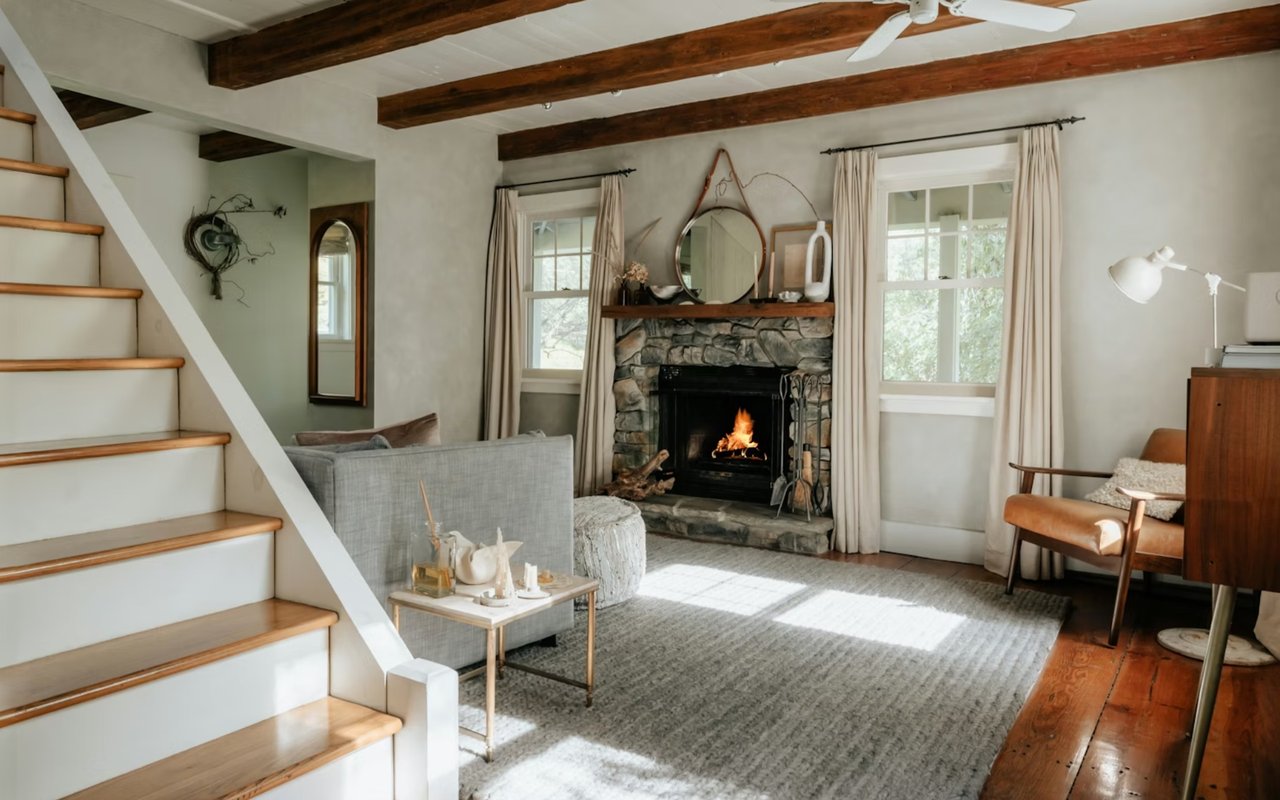
Neutral palettes anchored in nature tend to work well because they create a sense of visual continuity between inside and outside. In a home with oversized windows or mountain-facing views, a paint color that references the exterior landscape makes the space feel considered and cohesive rather than imposed upon its setting. Warm whites, greige tones, soft sage greens, and earthy taupes have proven their staying power precisely because they are not defined by a particular design era.
That said, timeless does not mean colorless. Deep navy in a study, a warm burgundy in a formal dining room, or terracotta accents in a sunlit kitchen can all hold up across decades when they are used with intention and proper scale. The key is to anchor bold choices with neutral surroundings so the eye is drawn in rather than overwhelmed.
Neutral palettes anchored in nature tend to work well because they create a sense of visual continuity between inside and outside. In a home with oversized windows or mountain-facing views, a paint color that references the exterior landscape makes the space feel considered and cohesive rather than imposed upon its setting. Warm whites, greige tones, soft sage greens, and earthy taupes have proven their staying power precisely because they are not defined by a particular design era.
That said, timeless does not mean colorless. Deep navy in a study, a warm burgundy in a formal dining room, or terracotta accents in a sunlit kitchen can all hold up across decades when they are used with intention and proper scale. The key is to anchor bold choices with neutral surroundings so the eye is drawn in rather than overwhelmed.
Palettes That Age Gracefully
- Warm white and natural wood tones create warmth without visual clutter.
- Greige paired with black or dark bronze hardware reads as sophisticated and current without chasing trends.
- Soft sage or dusty olive connects interior spaces to Colorado's natural palette.
- Navy or deep forest green in smaller rooms adds richness and depth that improves with age.
- Stone and concrete tones layer naturally with organic materials such as linen, wool, and raw oak.
Invest in Materials, Not Moments
The most consistent advice from designers who specialize in lasting interiors is to spend your budget on materials rather than on moments. A showpiece light fixture may earn admiration for a season; a kitchen countertop in honed quartzite or a floor in wide-plank white oak will still look quietly exceptional in twenty years.
In Broadmoor homes, which often feature generous square footage and substantial rooms, the quality of materials is particularly visible. Natural stone, solid wood, hand-applied plaster, and architectural-grade tile carry a visual weight that manufactured alternatives simply do not replicate. These materials also develop character over time in ways that keep interiors feeling alive rather than static. A travertine floor gains depth. A solid walnut cabinet develops a patina. A plaster wall holds light differently in the morning than it does in the afternoon.
Hardware is another area where quality pays lasting dividends. Brushed brass, unlacquered bronze, and matte black have all demonstrated their staying power in ways that chrome or overly polished finishes have not. When you invest in well-proportioned, well-made hardware on cabinetry and doors, it reads as a design choice rather than a default.
In Broadmoor homes, which often feature generous square footage and substantial rooms, the quality of materials is particularly visible. Natural stone, solid wood, hand-applied plaster, and architectural-grade tile carry a visual weight that manufactured alternatives simply do not replicate. These materials also develop character over time in ways that keep interiors feeling alive rather than static. A travertine floor gains depth. A solid walnut cabinet develops a patina. A plaster wall holds light differently in the morning than it does in the afternoon.
Hardware is another area where quality pays lasting dividends. Brushed brass, unlacquered bronze, and matte black have all demonstrated their staying power in ways that chrome or overly polished finishes have not. When you invest in well-proportioned, well-made hardware on cabinetry and doors, it reads as a design choice rather than a default.
Materials Worth the Investment
- Natural stone for countertops, flooring, and fireplace surrounds adds character that deepens with age.
- Solid wood cabinetry in simple, clean profiles outlasts the trends surrounding it.
- Linen, cotton, and wool upholstery fabrics age gracefully and improve with cleaning over synthetic alternatives.
- Architectural bronze or unlacquered brass hardware develops a living finish that feels intentional.
- Hand-applied plaster or limewash wall treatments create texture and depth that painted drywall cannot match.
Honor the Architecture Before You Edit It
Broadmoor’s homes span a range of architectural styles, from mid-century ranch homes to Tudor-influenced estates to more contemporary mountain modern builds. One of the most important timeless design tips is to work with your home's existing architecture rather than against it. When interior decisions align with the bones of a house, the result feels resolved. When they conflict, even beautiful individual choices can feel out of place.
For a home with traditional architecture, that means respecting the symmetry, the proportions of windows and doorways, and the formality that the original design implies. Crown molding, coffered ceilings, and paneled millwork all belong in that conversation. For a more contemporary build, restraint and precision matter more; clean lines, flush profiles, and a deliberate absence of ornament are what make those homes feel right.
This does not mean that you cannot introduce contrast or personality. A modern piece of art in a traditionally detailed room creates productive tension when everything around it is well resolved. A vintage rug in a minimalist interior adds warmth without undermining the architecture. The goal is intentionality; every choice should feel like it was made with the whole house in mind.
For a home with traditional architecture, that means respecting the symmetry, the proportions of windows and doorways, and the formality that the original design implies. Crown molding, coffered ceilings, and paneled millwork all belong in that conversation. For a more contemporary build, restraint and precision matter more; clean lines, flush profiles, and a deliberate absence of ornament are what make those homes feel right.
This does not mean that you cannot introduce contrast or personality. A modern piece of art in a traditionally detailed room creates productive tension when everything around it is well resolved. A vintage rug in a minimalist interior adds warmth without undermining the architecture. The goal is intentionality; every choice should feel like it was made with the whole house in mind.
Architectural Elements Worth Preserving
- Original millwork, built-ins, and decorative molding are worth restoring rather than removing
- Ceiling height and room proportions should guide furniture scale; oversized pieces in low-ceilinged rooms undermine the architecture.
- Window placement and natural light patterns are part of the home's design; furniture arrangement should respond to them.
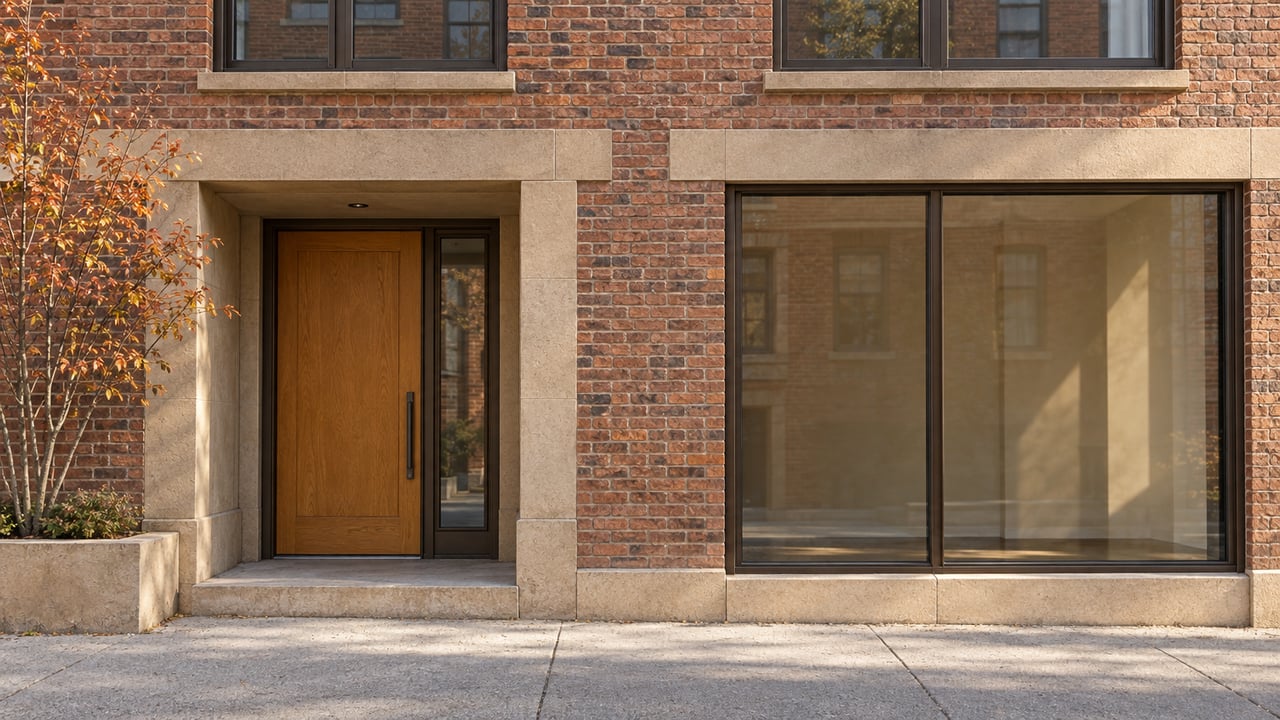
- Exterior materials, such as stone, brick, or stucco, can inform interior palette and material choices.
- Period-appropriate hardware and fixtures reinforce architectural character more than any single décor choice.
Connect Interior Spaces to the Colorado Landscape
One of the most distinctive advantages of owning a home in the Broadmoor area is its proximity to dramatic natural scenery. Timeless design in this context includes thinking intentionally about how your interior spaces relate to the great outdoors. Homes that honor this connection feel grounded in a way that purely interior-focused designs do not.
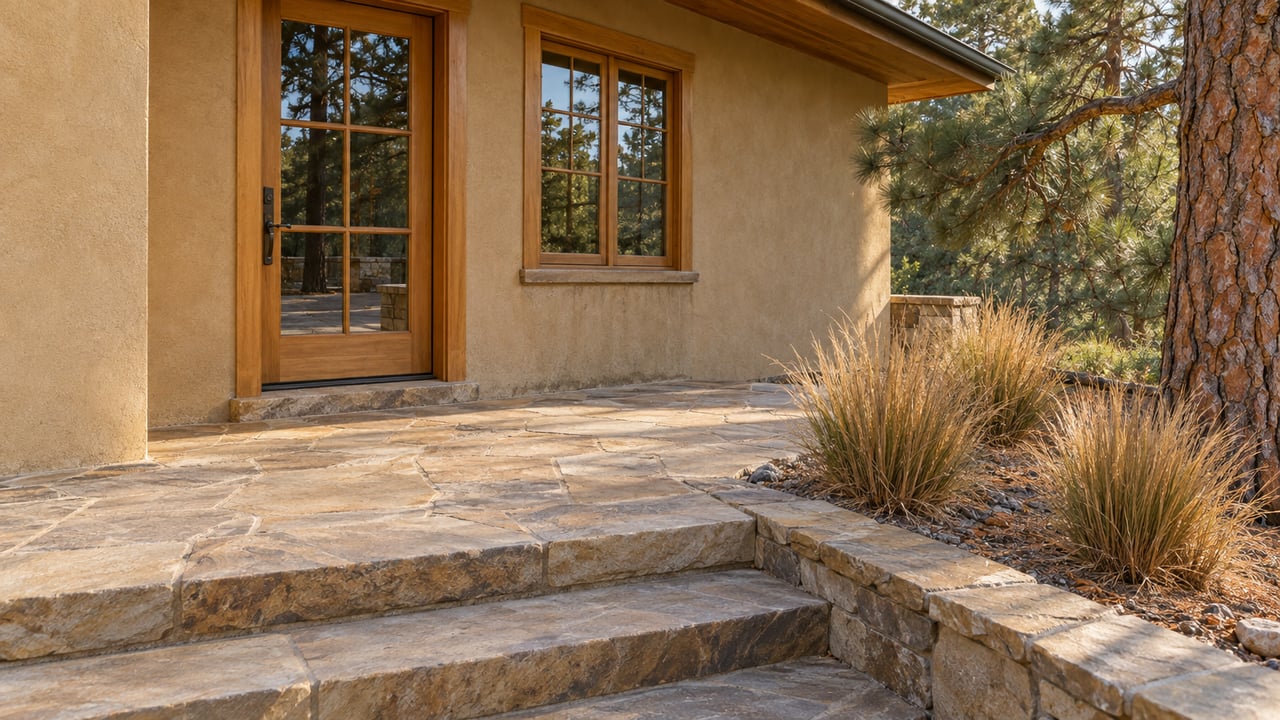
That connection can be expressed in many ways. Large windows framing mountain views are the most obvious, but it extends to how outdoor living areas are designed and how the transition between inside and out is handled. A covered stone patio that uses the same material language as the home's interior, a pergola with clean lines that echoes the architecture, or a simple terrace with well-chosen furniture and Colorado-native plantings all reinforce a sense of place that no amount of interior styling can replicate.
Outdoors, the same principles apply as indoors: invest in quality, honor the natural setting, and avoid choices that will look dated in five years. Concrete and natural stone hardscaping, steel or powder-coated aluminum furniture, and drought-adapted native plants tend to age gracefully and require minimal intervention over time.
That connection can be expressed in many ways. Large windows framing mountain views are the most obvious, but it extends to how outdoor living areas are designed and how the transition between inside and out is handled. A covered stone patio that uses the same material language as the home's interior, a pergola with clean lines that echoes the architecture, or a simple terrace with well-chosen furniture and Colorado-native plantings all reinforce a sense of place that no amount of interior styling can replicate.
Outdoors, the same principles apply as indoors: invest in quality, honor the natural setting, and avoid choices that will look dated in five years. Concrete and natural stone hardscaping, steel or powder-coated aluminum furniture, and drought-adapted native plants tend to age gracefully and require minimal intervention over time.
Principles for Lasting Outdoor Design
- Use the same material palette outdoors as you use inside to create visual continuity.
- Choose drought-tolerant native plantings, such as blue grama grass, Apache plume, and Rocky Mountain penstemon, for landscape beds.
- Scale outdoor furniture to the space; undersized pieces on a large patio feel as wrong as oversized furniture in a small room.
- Stone or concrete hardscaping is more durable and more timeless than wood decking in Colorado's climate.
- Covered outdoor living areas extend usable space across more of the Colorado calendar year.
FAQs
What Makes a Design Choice "Timeless" Rather Than Trendy?
Timeless design choices are those that are rooted in proportion, quality, and material integrity rather than in a particular style moment. A Shaker-style cabinet door is timeless because it relies on clean geometry rather than surface ornamentation. A quartz countertop with dramatic veining may feel very current right now but could feel dated in a decade. If a choice depends on novelty to feel interesting, it is likely trending.
How Should I Balance Personalization With Timeless Design?
Personalization is entirely compatible with timeless design when it is expressed through art, textiles, collected objects, and layered accessories rather than through permanent finishes or architectural changes. Paint a room a deeply personal color if you want to; it can always be repainted. But be more careful with tile, stone, and millwork choices, since those are the elements that either stand the test of time or work against the resale and livability of your home for years to come.
Does Timeless Design Apply to Exterior Updates as Well?
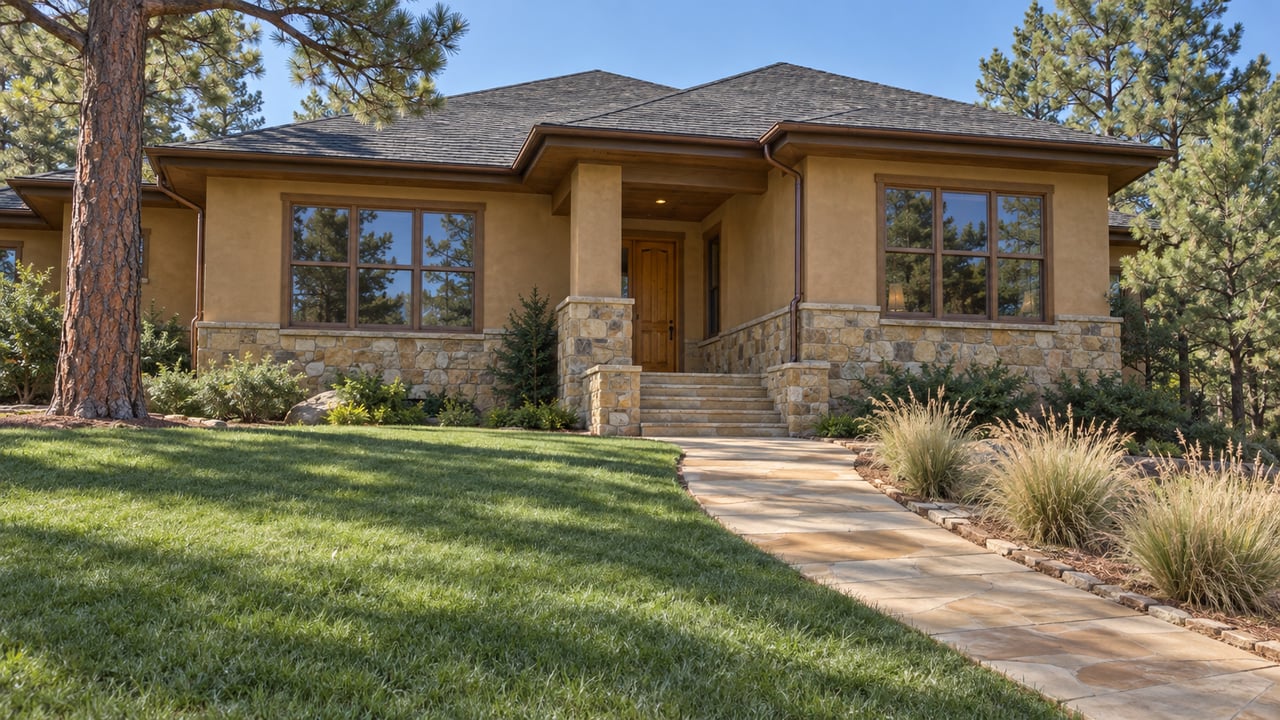
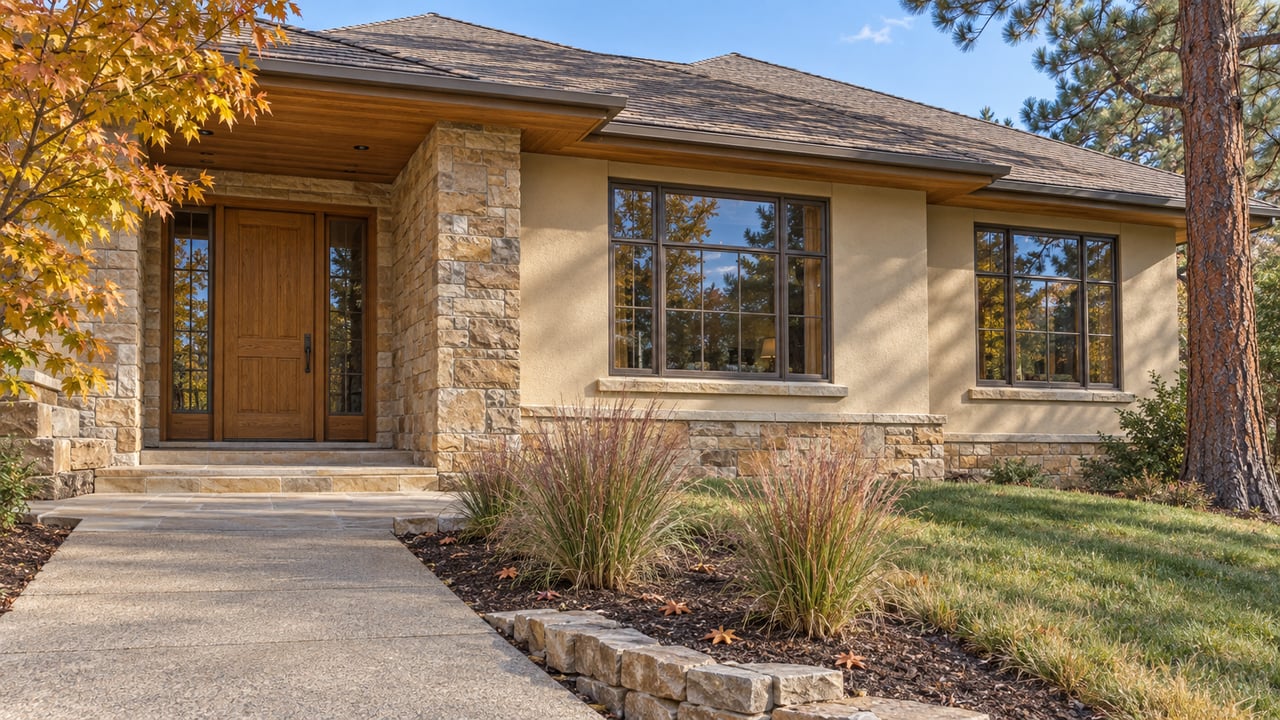
Absolutely. Exterior choices are actually where timeless design matters most, because they are the first impression your home makes — and they are harder to change than interior finishes. In the Broadmoor area, exteriors that work with the natural material palette of the region, using stone, neutral stucco, warm wood, and matte-finish metals, tend to age much better than those chasing a contemporary look that may feel dated within a decade.
Design Your Home for the Long View
The Broadmoor area rewards homeowners who think in decades rather than seasons. The landscape will continue to shift in its slow, dramatic way with each season. The interiors and exterior spaces you create should hold up alongside all of that, feeling just as considered and intentional years from now as they do on the day you finish a renovation.
If you are thinking about renovating, refreshing, or simply repositioning your Broadmoor property in the Colorado Springs real estate market, I would love to help you think through how design choices connect to long-term value. Reach out to me, Trish Ingels, to get started.
If you are thinking about renovating, refreshing, or simply repositioning your Broadmoor property in the Colorado Springs real estate market, I would love to help you think through how design choices connect to long-term value. Reach out to me, Trish Ingels, to get started.