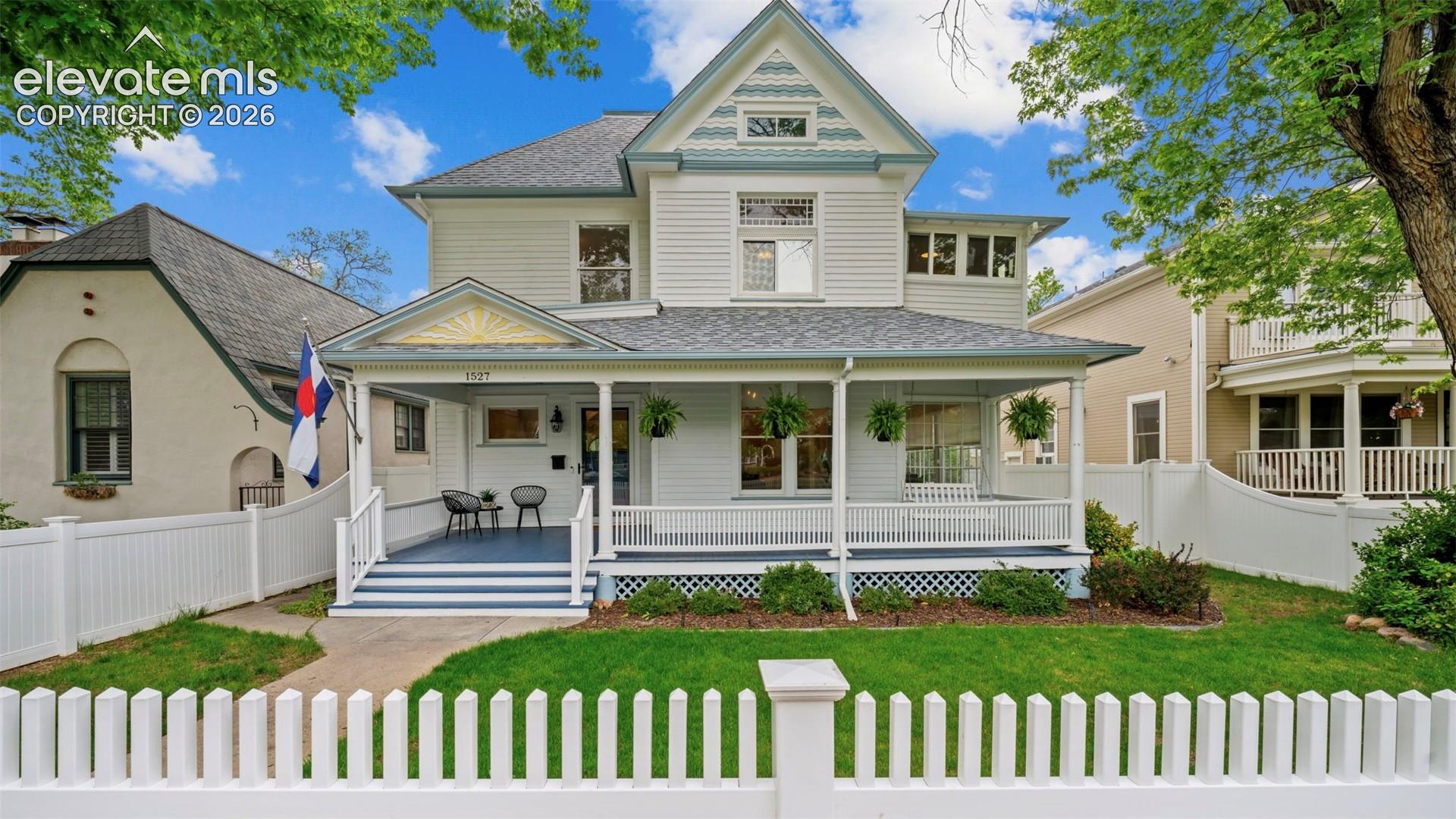
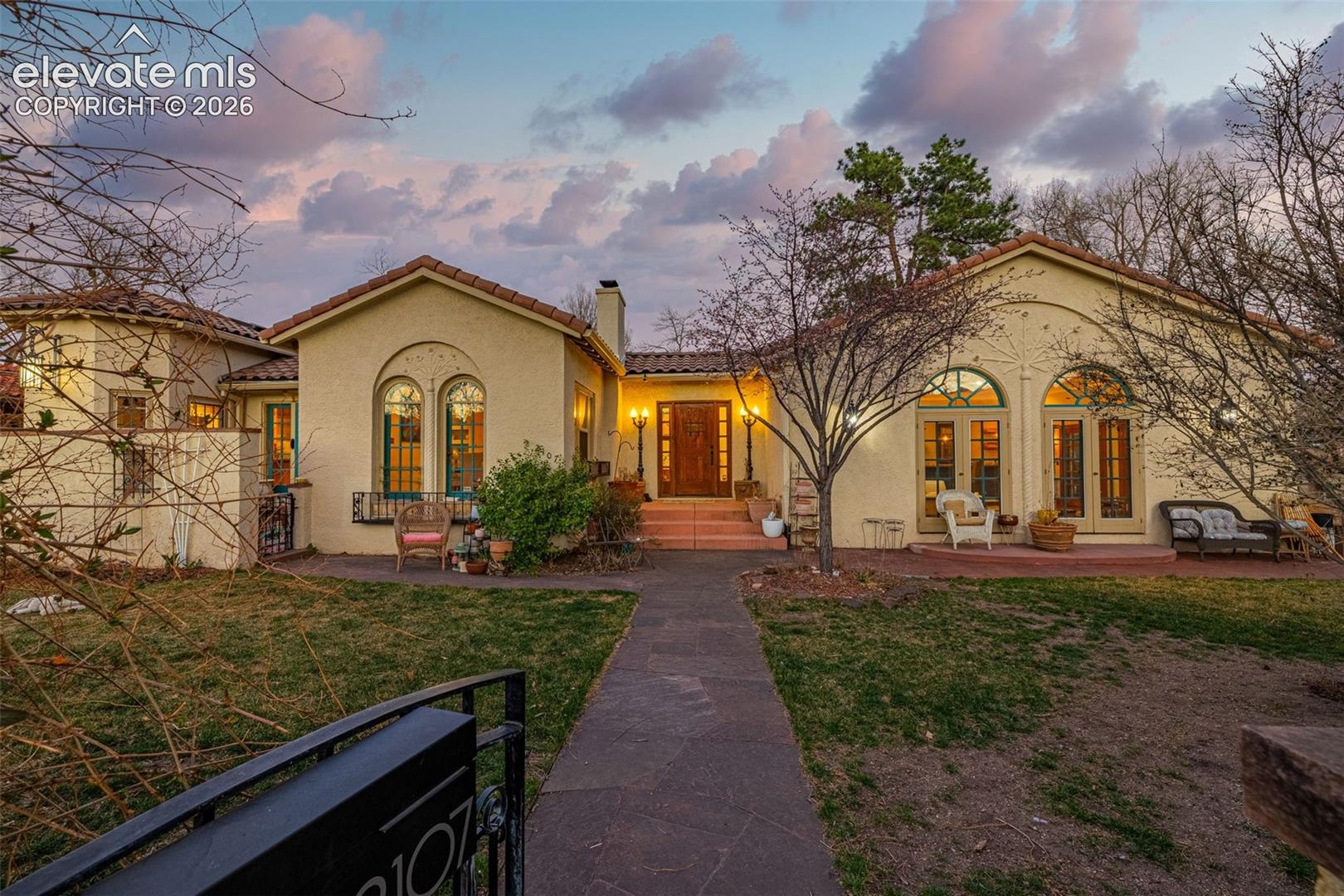
Old North End is one of Colorado Springs' most architecturally significant and historically preserved neighborhoods — a close-in residential district listed on the National Register of Historic Places and recognized as one of the largest historical preservation districts west of the Mississippi. Located just east of Monument Valley Park and within walking distance of downtown and Colorado College, "ONEN" offers a concentration of Victorian, Colonial Revival, Craftsman, and Mediterranean homes that few Colorado communities can match, giving residents a genuine sense of historical place in the heart of the city.
Residents range from young professionals and downtown-adjacent buyers drawn by walkability and architectural character to longtime Colorado Springs families and move-up buyers seeking fully restored historic estates, all united by an appreciation for tree-lined streets, mature landscaping, and a neighborhood identity built on preservation rather than new development.
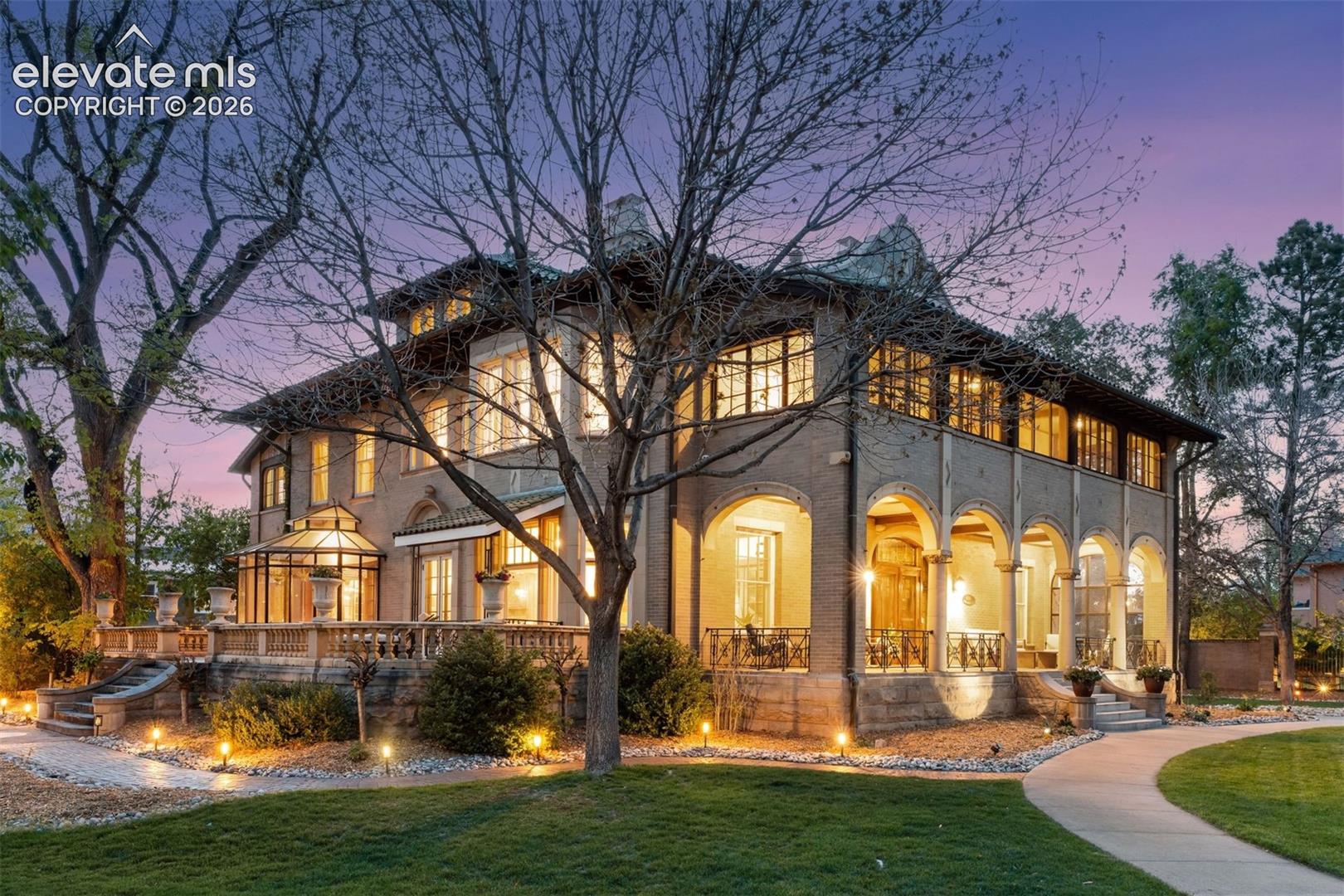
Old North End's roots trace to the late 19th and early 20th centuries, when Colorado Springs' Gilded Age prosperity — fueled by gold mining wealth from nearby Cripple Creek — financed the construction of grand Victorian and Colonial Revival mansions along Cascade and Wood Avenues. The Sharp Mansion, a more than 14,000-square-foot estate on North Cascade Avenue, has reigned for over a century as the neighborhood's crown jewel and a symbol of that Gilded Age elegance. The neighborhood's historic core — the Old North End Register National Historic District, spanning roughly 44 blocks and 657 properties between Madison and Uintah Streets, alongside the smaller North Weber/Wahsatch Historic District — was formally preserved through historic district designation, and property owners within these boundaries must submit exterior modifications for review, protecting the architectural integrity that defines the area today.
Old North End sits just north of downtown Colorado Springs, bordered by Monument Valley Park and Fontanero Street to the south, Uintah Street to the north, and running roughly between Wood Avenue and the alley east of Weber Street. The neighborhood's proximity to Colorado College, downtown's restaurants and breweries, and Monument Valley Park's trails and gardens gives residents genuine walkability uncommon in much of Colorado Springs.
Interstate 25 provides quick highway access throughout the broader Pikes Peak region, with downtown Colorado Springs, the Broadmoor, and the city's medical and employment corridors all within a short drive or walk.
Old North End's greatest outdoor asset sits right at its doorstep: Monument Valley Park, a 170-acre linear park bordering the neighborhood's southern edge, offering walking and biking paths, formal gardens, tennis courts, a swimming pool, and open lawns shaded by mature cottonwoods. Residents regularly walk or jog the park's trails along Monument Creek, and the park's proximity means many ONEN homes are within a five- to ten-minute walk of genuine green space — a rarity for a historic urban neighborhood this close to downtown. For more ambitious outdoor pursuits, the Manitou Incline and Garden of the Gods are both a short drive west.
Monument Valley Park's public pool and tennis courts give residents accessible, low-cost options for staying active without leaving the neighborhood. Colorado College's nearby athletic and wellness facilities add further options for residents who want structured fitness programming, while several yoga studios and boutique fitness businesses have opened along the Old North End's commercial fringes in recent years, catering to the neighborhood's walkable, health-conscious resident base.
The Old North End's proximity to downtown Colorado Springs puts residents within walking distance of the city's most established dining corridor. Edelweiss Restaurant, a longtime neighborhood institution near Old North End, serves German and Austrian specialties in a cozy, chalet-style setting that's become a local tradition for celebrations. Downtown's Tejon Street corridor — just minutes away — adds an extensive mix of farm-to-table restaurants, coffee shops, and breweries, giving ONEN residents genuine walkable access to Colorado Springs' best food and drink scene without needing a car.
Old North End itself remains primarily residential, with most everyday shopping concentrated in neighboring downtown Colorado Springs, just a short walk or drive south. Downtown's boutiques, bookstores, and specialty shops along Tejon Street provide a walkable retail experience that larger Colorado Springs suburbs can't match, while nearby North Nevada Avenue and the broader uptown corridor offer grocery stores and everyday conveniences. For larger shopping needs, Chapel Hills Mall and the broader north Colorado Springs retail corridor are a short drive away.
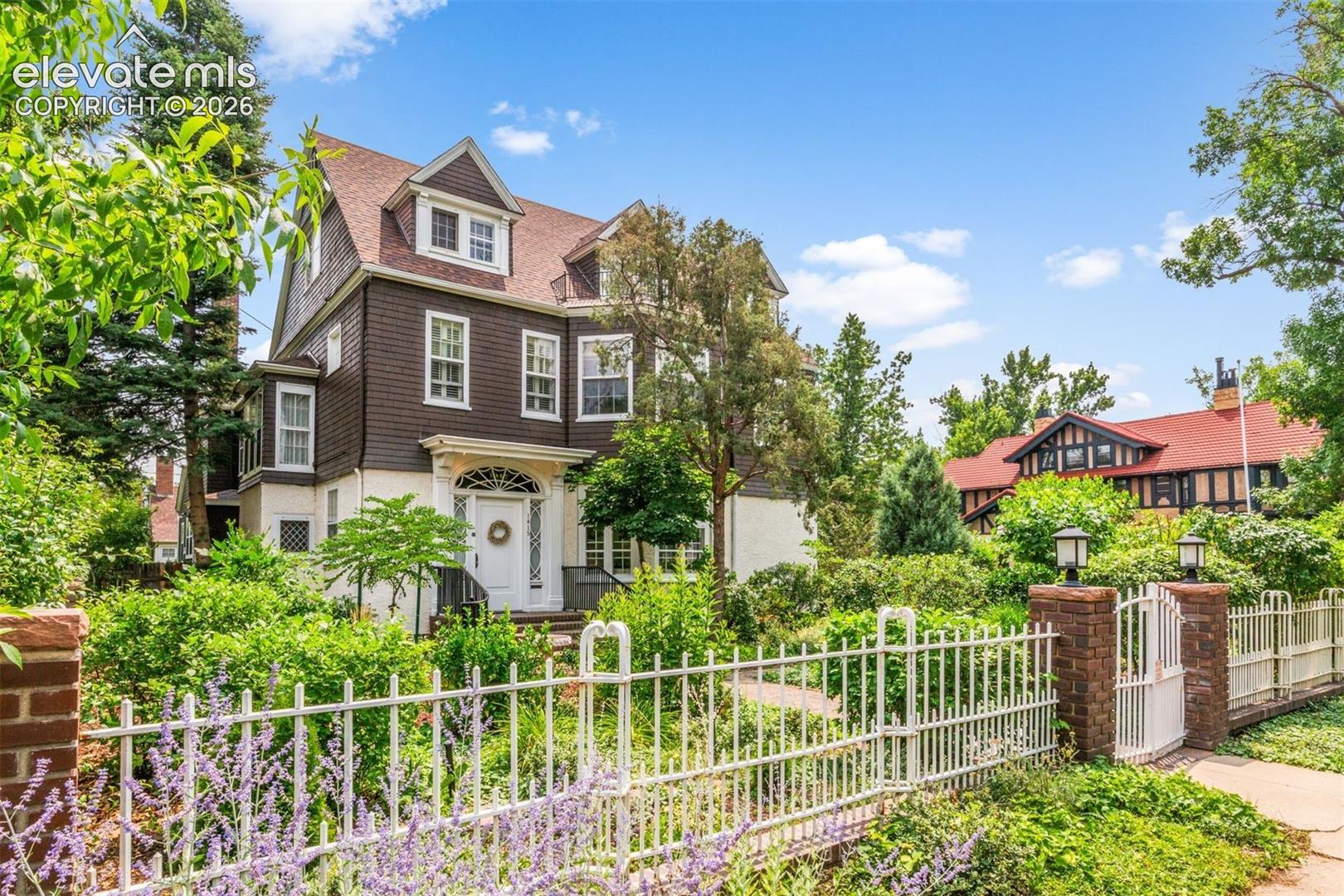
The Old North End is one of the most charming and historically significant neighborhoods in Colorado Springs. Known for its tree-lined streets, grand early 20th-century architecture, and proximity to downtown, Old North End offers a unique blend of classic character and modern convenience. Homes in this neighborhood range from stately Victorian and Craftsman residences to beautifully restored historic properties with updated interiors, making it a favorite among buyers who value timeless design and walkability.
Real estate in Old North End appeals to a wide range of homeowners, including professionals, families, and retirees. Many homes feature large lots, mature landscaping, original architectural details, and inviting front porches that encourage a strong sense of community. With limited inventory and strong demand, properties in Old North End tend to hold their value well, making the area attractive for both long-term homeowners and real estate investors.
Living in Old North End means enjoying easy access to downtown Colorado Springs, Monument Valley Park, local coffee shops, dining, and cultural attractions—all while residing in one of the city’s most established residential areas.
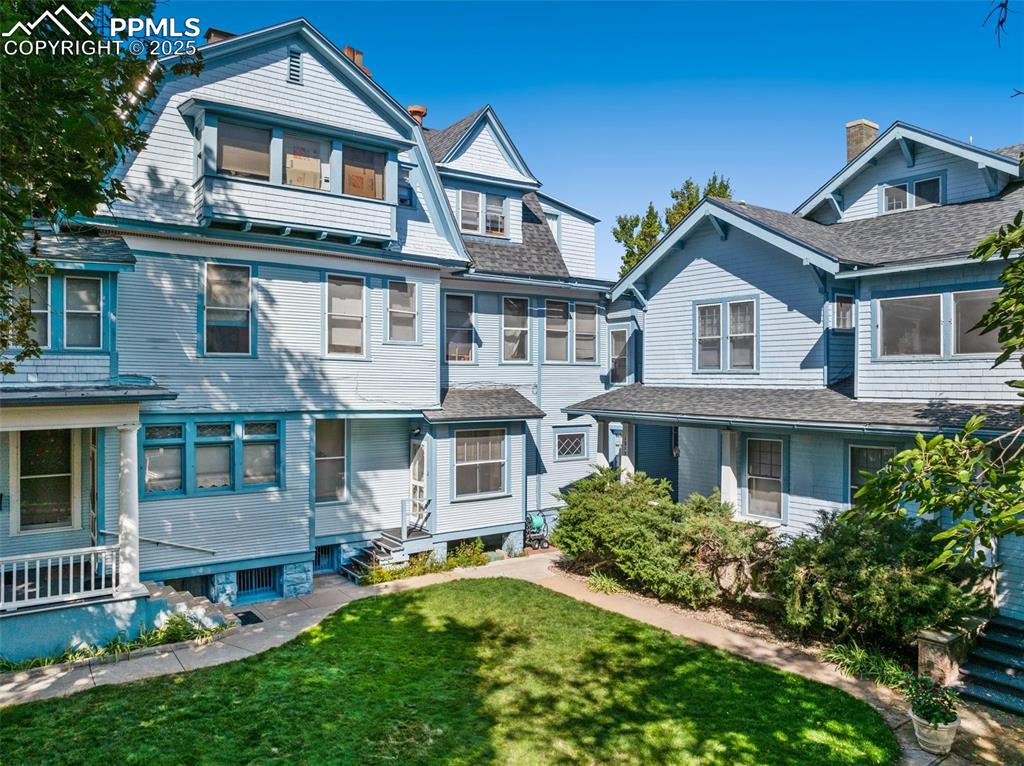
Old North End features a variety of historic home styles, including Victorian, Craftsman, Colonial Revival, and early 20th-century estates. Many homes have been thoughtfully renovated to include modern kitchens, updated systems, and contemporary comforts while preserving original character.
Yes. Old North End is popular with families due to its walkable streets, nearby parks, strong sense of community, and access to reputable schools. The neighborhood’s calm atmosphere and active neighborhood involvement make it especially appealing to those raising children.
Old North End is located just minutes from downtown Colorado Springs. Many residents enjoy walking or biking to restaurants, shops, cultural venues, and Monument Valley Park, making it one of the city’s most conveniently located neighborhoods.
No. Old North End does not have a traditional homeowners association. However, some homes may fall under historic preservation guidelines, which help protect the architectural integrity of the neighborhood.
Old North End offers a relaxed, community-oriented lifestyle with a strong appreciation for history, architecture, and outdoor living. Residents enjoy neighborhood events, nearby trails, and a balance of peaceful residential living with quick access to urban amenities.
3,857 people live in Old North End, where the median age is 49 and the average individual income is $78,797. Data provided by the U.S. Census Bureau.
Total Population
Median Age
Population Density Population Density This is the number of people per square mile in a neighborhood.
Average individual Income
Old North End has 1,798 households, with an average household size of 2. Data provided by the U.S. Census Bureau. Here’s what the people living in Old North End do for work — and how long it takes them to get there. Data provided by the U.S. Census Bureau. 3,857 people call Old North End home. The population density is 7,688 and the largest age group is Data provided by the U.S. Census Bureau.
Total Population
Population Density Population Density This is the number of people per square mile in a neighborhood.
Median Age
Men vs Women
Population by Age Group
0-9 Years
10-17 Years
18-24 Years
25-64 Years
65-74 Years
75+ Years
Education Level
Total Households
Average Household Size
Average individual Income
Households with Children
With Children:
Without Children:
Marital Status
Blue vs White Collar Workers
Blue Collar:
White Collar: