By Trish Ingels
Broadmoor's architectural landscape is one of the most varied and visually compelling of any neighborhood in Colorado Springs — and one of the least fully understood by buyers who haven't spent time studying it carefully. Homes here date back to the early 20th century, when the neighborhood developed around the Broadmoor Hotel, and the resulting mix of Tudor, Colonial, Mediterranean, and Spanish Colonial Revival estates has defined the area's character ever since. Here's a guide to what you'll find — and what distinguishes each era.
Key Takeaways
- Spanish Colonial Revival, Tudor, and Mediterranean estates anchor the oldest and most prestigious sections of Broadmoor proper, representing some of the most significant residential architecture in Colorado Springs' history
- Mid-century ranch-style homes with mountain and city views dominate the foothill areas of Broadmoor Bluffs, offering a distinctly different lifestyle at a different price point from the historic estate sections
- Newer custom construction in Broadmoor Hills, Broadmoor Glen, and Stratton Forest features large homes with walk-out basements and architecture matched to the slope of each lot
- The Broadmoor Hotel itself, a National Historic Landmark, defines the aesthetic standard that the surrounding residential community has aspired to for over a century
The Historic Estate Section
The oldest and most architecturally significant section of Broadmoor sits closest to the Broadmoor Hotel, where the neighborhood's founding families built estates that reflected the design ambitions of early 20th-century American wealth. These properties represent the architectural crown of Colorado Springs residential real estate — and they remain some of the most coveted addresses in the city.
What Defines Broadmoor's Historic Estate Architecture
- Tudor Revival estates feature steeply pitched roofs, half-timbered facades, arched entryways, and intricate stonework — a style that reflects the neighborhood's founding-era aspiration toward English manor character
- Spanish Colonial Revival and Mediterranean homes, several designed by prominent Colorado architects of the 1920s and 1930s, feature red tile roofs, stucco exteriors, arched loggias, and interior courtyards that connect the architecture to the region's Spanish colonial heritage
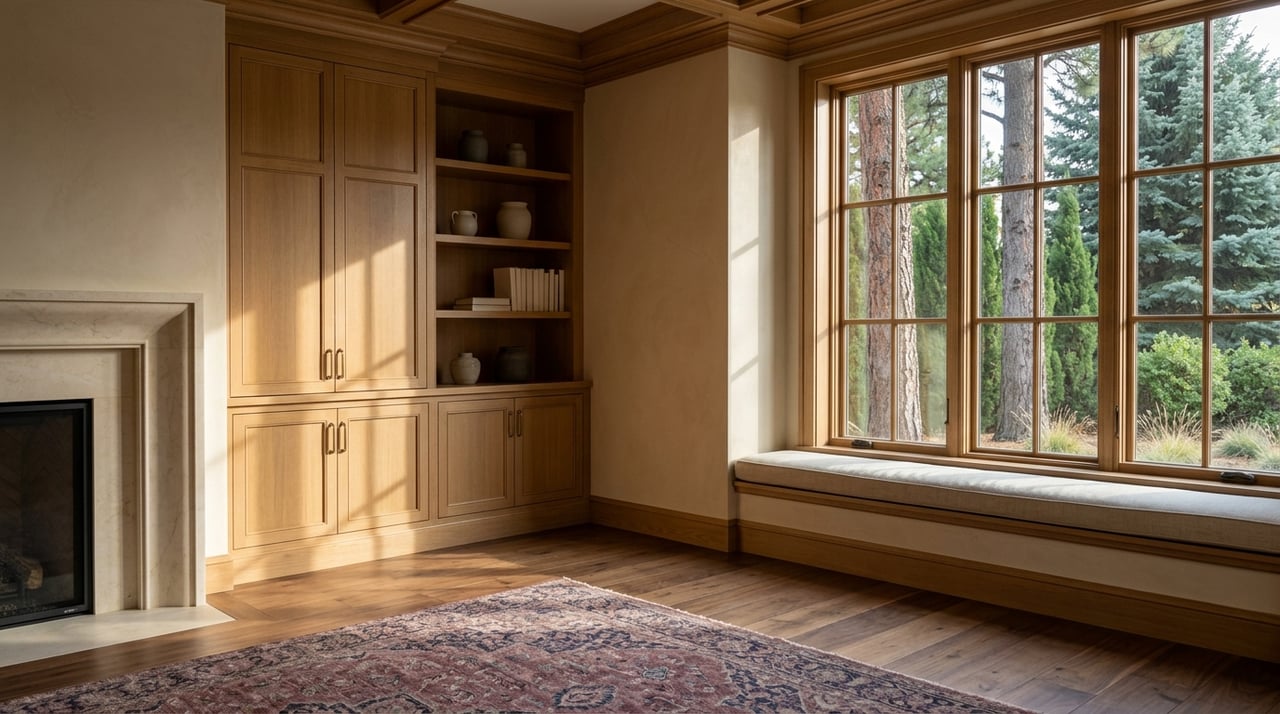
- Many of these estates have been sensitively renovated over the decades — preserving original woodwork, stone floors, and architectural details while integrating modern kitchens, mechanical systems, and primary suites that meet contemporary expectations
- The canopy of mature deciduous trees that shades Broadmoor's historic streets was deliberately established in the early 20th century — creating an environment that complements the estate architecture and cannot be replicated in newer development
The historic estate section rewards buyers who understand that they are purchasing into a living architectural legacy — and that the character of these properties carries value well beyond their square footage.
Mid-Century Broadmoor
Broadmoor Bluffs, developed primarily in the 1970s and 1980s, offers ranch and split-level homes on terraced foothill lots — a distinctly different architectural vocabulary from the historic estates, but one with its own appeal for buyers who prioritize views, single-story living, and a more casual residential character.
What Mid-Century Broadmoor Offers Buyers
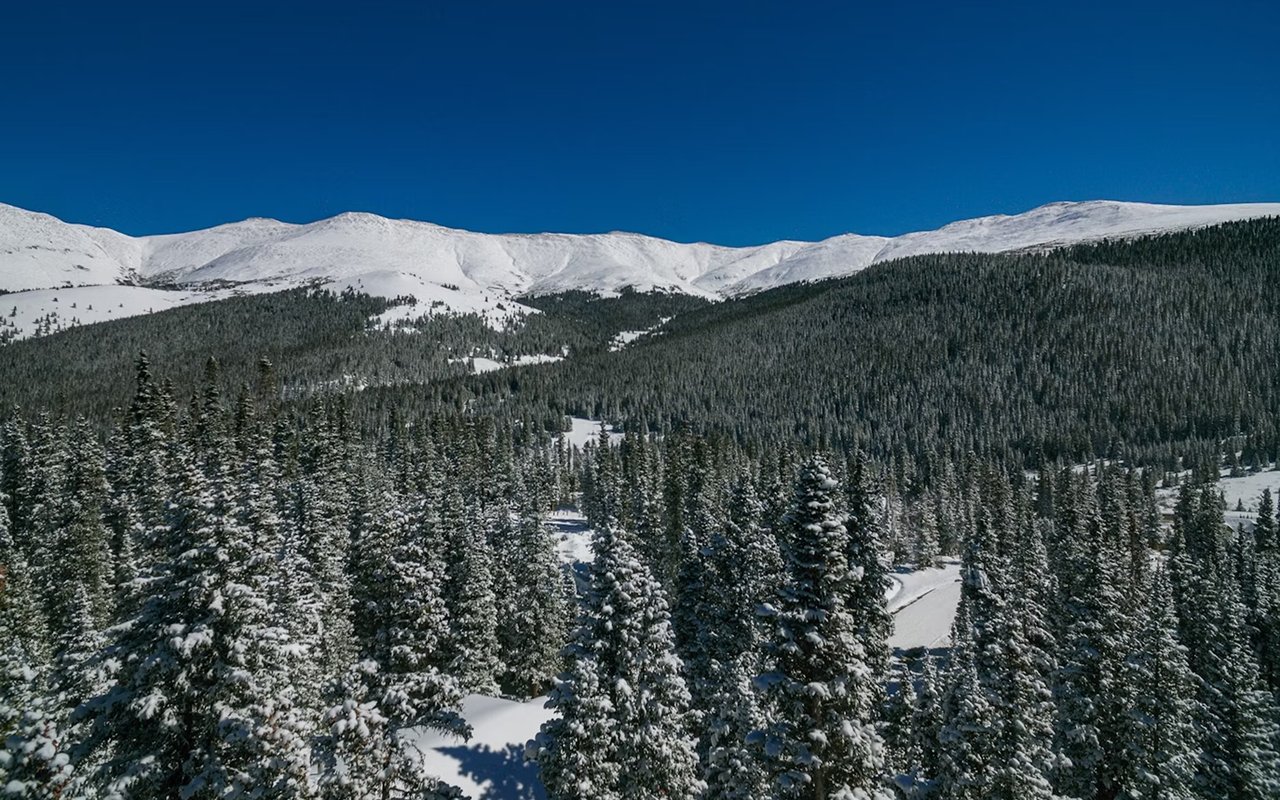
- Ranch-style floor plans with expansive glazing toward the mountain and city views that the foothill locations provide — a design choice that connects interior living to Broadmoor's spectacular natural backdrop
- Lower maintenance profiles than the large historic estates, with smaller lot sizes and construction from an era when residential systems were more standardized and easier to service
- Renovation potential that attracts buyers who want Broadmoor's address and school district at a more accessible price point — mid-century bones respond well to contemporary kitchen, bathroom, and outdoor living updates
- A neighborhood character that feels more residential and family-oriented than the grander estate sections closer to the hotel — quieter streets and a more relaxed scale that suits a different buyer profile
Mid-century Broadmoor is where the neighborhood's architectural story becomes accessible to a broader range of buyers — and where thoughtful renovation produces some of the market's best value outcomes.
New Custom Construction
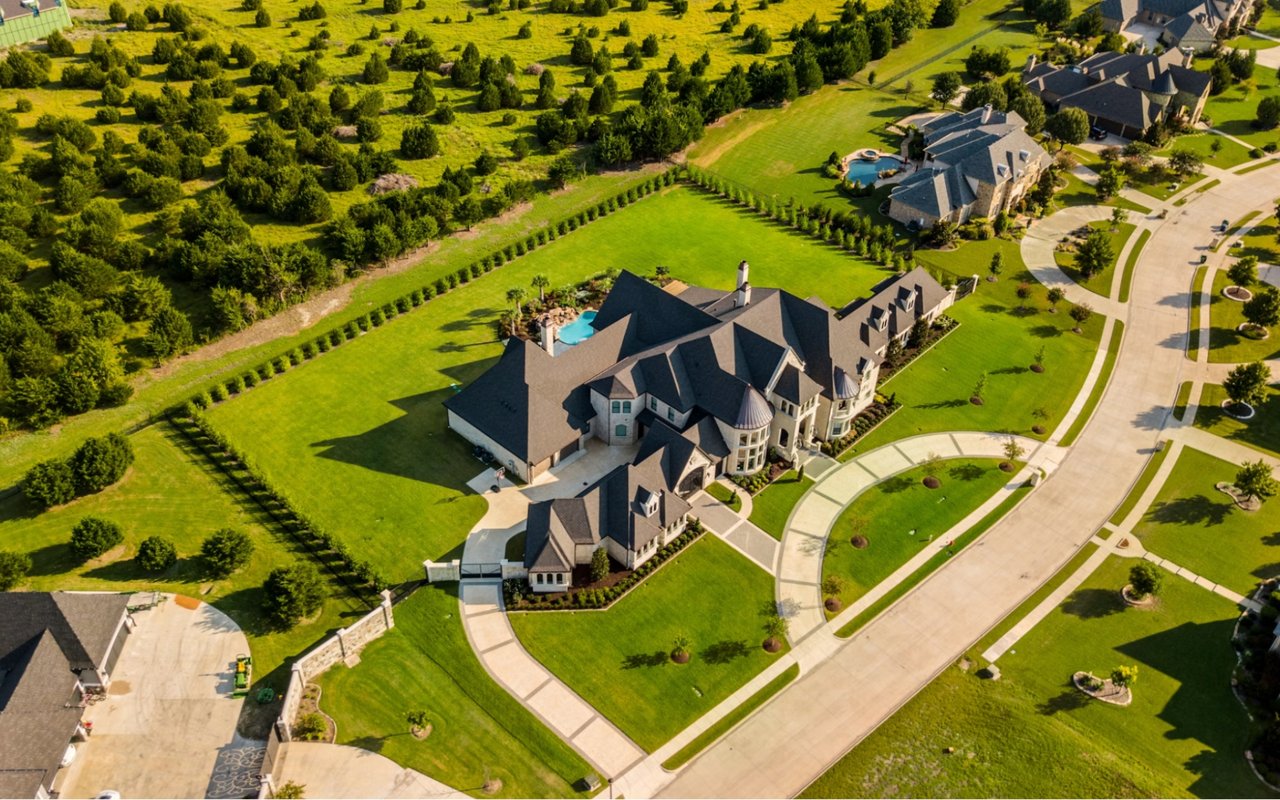
Broadmoor Hills, Broadmoor Glen, and Stratton Forest represent the neighborhood's newest custom construction phases — areas where large-lot homes built from the 1980s through the 2000s blend contemporary architecture with the natural terrain of Broadmoor's southern foothills.
What Characterizes Broadmoor's Newer Custom Homes
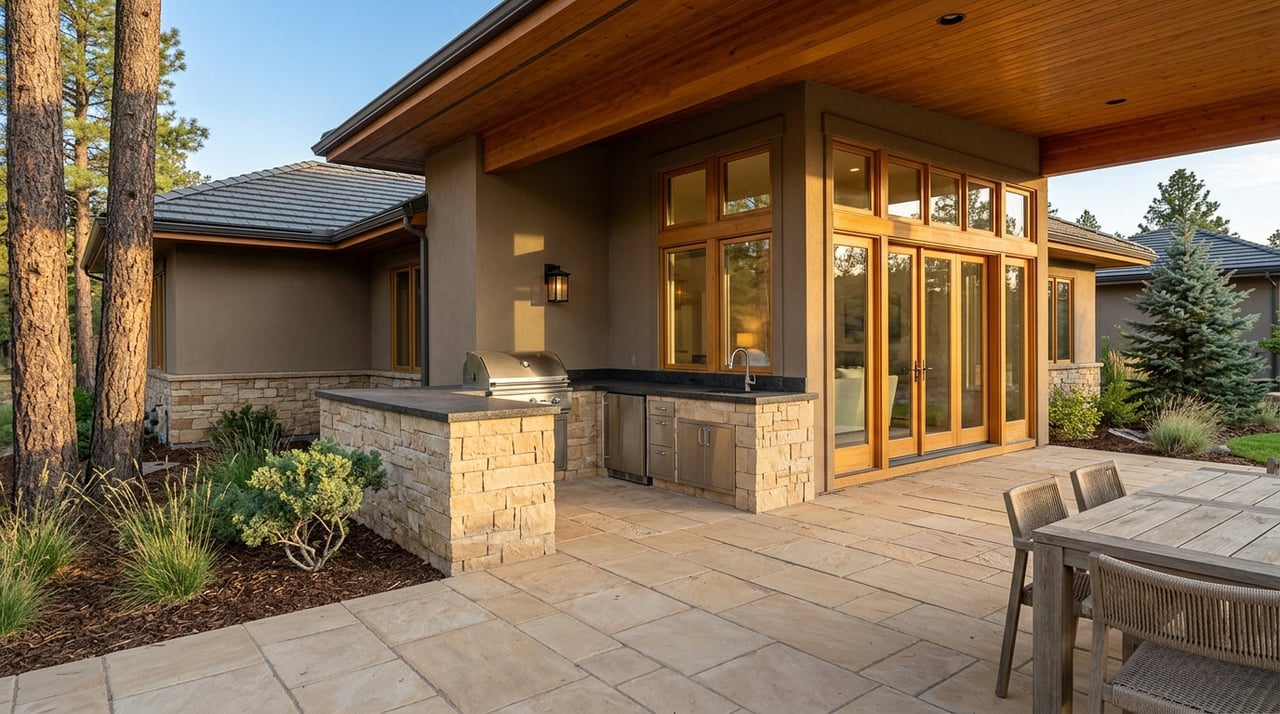
- Custom architecture designed lot-by-lot to respond to slope, orientation, and view — producing homes with walk-out lower levels, stepped floor plans, and outdoor terracing that integrate with the natural grade rather than fighting it
- Modern mechanical systems, energy-efficient envelopes, and contemporary floor plans that accommodate today's expectations for open living areas, home offices, and primary suite retreats
- Architectural review requirements within many of these sub-neighborhoods ensure that new construction maintains a quality and design standard consistent with Broadmoor's overall character
- Remaining custom build lots are limited — concentrated primarily in Stratton Forest and parts of Broadmoor Glen — making new construction in this part of the neighborhood a genuinely finite opportunity
The newer sections of Broadmoor allow buyers to access the neighborhood's schools, lifestyle, and Mountain backdrop in homes built to current standards — without the renovation considerations that come with the historic estate inventory.
FAQs: Local Architecture in Broadmoor, CO
What are the most architecturally significant home styles in Broadmoor?
The Tudor, Colonial, Mediterranean, and Spanish Colonial Revival estates in Broadmoor proper represent the neighborhood's most historically significant architecture — many dating to the 1920s and 1930s and reflecting the design ambitions of Colorado Springs' founding-era wealthy families.
Does Broadmoor have architectural review requirements?
Some sub-neighborhoods within the Broadmoor area fall under the Broadmoor Resort Community Association with architectural review requirements, while others operate under independent sub-area associations or have minimal HOA presence. Confirming the specific requirements for any target property is an essential step before purchasing with renovation plans.
What price range should I expect for historic estate properties in Broadmoor?
Luxury properties and larger estates in Broadmoor frequently exceed the $1.5 million range, particularly for homes with unique architectural details or expansive mountain and city views. The most significant historic estates have traded considerably above that threshold in recent years.
Explore Broadmoor's Architecture with Trish Ingels
No one knows Broadmoor's architectural landscape more deeply than I do. With 30-plus years specializing exclusively in Broadmoor estate properties and new construction, I have represented buyers and sellers across every architectural era this neighborhood offers — from the historic Tudor estates closest to the hotel to the newest custom builds in Stratton Forest. My track record includes some of the most exclusive estate sales in Colorado Springs history, and I bring that depth of knowledge to every client relationship I take on.
Connect with Trish Ingels today.
Connect with Trish Ingels today.